

What to Look for in a Local Veterinarian: A Guide for Pet Parents
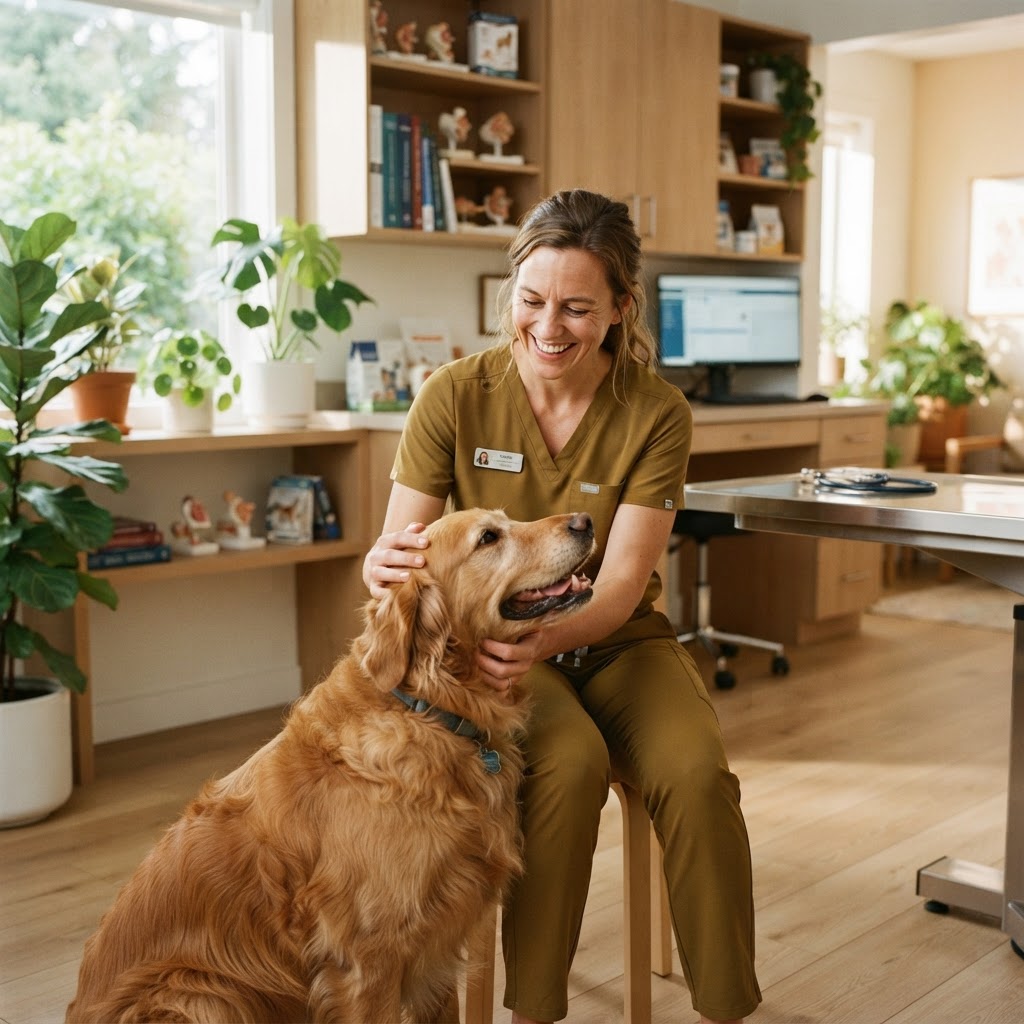
Choosing the right veterinarian is one of the most consequential decisions you'll make for your pet's long-term health — and it's one most pet parents make without a clear framework. This guide gives you exactly that: a practical, vet-informed checklist of what to look for in a local veterinarian, so you can walk into that first appointment with confidence.
Key Takeaways
- Accreditation by the American Animal Hospital Association (AAHA) is the single most reliable quality benchmark for a veterinary practice.
- A new-patient wellness exam should take no fewer than 30 minutes for a thorough baseline assessment.
- Communication style, not just clinical credentials, is a core factor in long-term veterinary relationships.
- Proximity matters: practices within 15 minutes of your home improve the odds you'll seek timely preventive care.
- Specialty referral networks signal that a practice prioritizes your pet's outcome over retaining revenue.
- Your local Simply Petastic care directory can help you filter vetted veterinarians by neighborhood, specialty, and patient reviews.
Why Your Choice of Veterinarian Shapes Your Pet's Entire Health Trajectory
A primary care veterinarian is the licensed Doctor of Veterinary Medicine (DVM) or Veterinary Medical Doctor (VMD) responsible for your pet's preventive care, diagnostics, and chronic disease management over their lifetime. Unlike a one-time specialist visit, this is a relationship measured in years — sometimes decades — which means alignment on philosophy, communication, and accessibility matters as much as a framed diploma.
Research published in the Journal of the American Veterinary Medical Association (JAVMA) consistently shows that pets whose owners maintain a regular veterinary relationship receive earlier diagnoses and have statistically better outcomes for conditions like chronic kidney disease, diabetes, and dental disease. The right vet isn't a luxury. It's infrastructure.
The Credentials and Accreditations That Actually Matter
AAHA Accreditation is the gold standard for veterinary practice quality in the United States. The American Animal Hospital Association evaluates practices against more than 900 standards covering anesthesia protocols, pain management, surgical suite hygiene, and medical recordkeeping. Only about 15% of veterinary practices in the US are AAHA-accredited — making it a meaningful differentiator, not a marketing badge.
What to Look for Beyond the Diploma
- State licensure: Every practicing veterinarian must hold a current license in the state where they practice. You can verify this through your state's veterinary medical board.
- Fear Free Certification: A Fear Free Certified Professional has completed training specifically in reducing anxiety, fear, and stress in clinical settings — particularly relevant for cats, reactive dogs, and exotic pets.
- Species-specific expertise: If you share your home with a rabbit, reptile, or bird, confirm the practice has a veterinarian with documented exotic animal experience. General practitioners vary widely here.
- Continuing education (CE) hours: DVMs are required to complete CE annually; practices that voluntarily exceed minimums signal genuine investment in staying current.
Evaluating the Practice Environment
A high-quality veterinary practice maintains separate waiting areas for dogs and cats — a detail that seems minor but significantly reduces cortisol levels in feline patients and improves diagnostic accuracy during exams. Look for clean, well-lit exam rooms, modern diagnostic equipment (in-house bloodwork analyzers and digital radiography are now standard of care), and staff who handle your pet with calm, deliberate confidence rather than speed.
Questions to Ask on a First Visit
- What is your protocol if my pet needs emergency care after hours?
- Do you have relationships with board-certified specialists for referrals?
- How do you communicate test results — phone, portal, or email?
- What is your approach to pain management during procedures?
A practice that welcomes these questions without defensiveness is already demonstrating the transparency you need in a long-term health partner.
Communication, Philosophy, and the Human Side of Veterinary Care
Knowing what to look for in a local veterinarian goes beyond clinical metrics. Veterinary philosophy — how a practice approaches nutrition, vaccination schedules, and end-of-life care — should align with your own values as a pet parent.
Ask whether the practice follows AAHA/AAFP (American Association of Feline Practitioners) vaccination guidelines, which are evidence-based and tiered by lifestyle risk rather than a blanket annual schedule. If you feed your pet a raw, home-cooked, or limited-ingredient diet, look for a vet open to discussing formulation without dismissing it outright. For home-cooked inspiration that's already vet-informed, the Simply Petastic recipe library is a useful resource to bring into that conversation.
A good veterinarian listens before prescribing. They ask about your pet's daily routine, stress triggers, and diet history. They explain diagnoses in plain language and provide written summaries. If you leave an appointment more confused than when you arrived, that's data worth acting on.
Practical Logistics That Affect Real-World Care
- Hours and accessibility: A practice open at least one evening per week and on Saturdays is meaningfully more accessible for working pet parents.
- Appointment availability: Average wait time for a new-patient wellness appointment should be no longer than two to three weeks. Longer waits may indicate a practice too stretched to provide attentive care.
- Transparent pricing: Reputable practices provide itemized estimates before procedures and carry payment plan options (such as CareCredit or Scratchpay) for unexpected costs.
- Patient portal: Digital health records, vaccination reminders, and telemedicine options are increasingly standard and save time during emergencies.
Frequently Asked Questions
What is the difference between a DVM and a VMD? Both DVM (Doctor of Veterinary Medicine) and VMD (Veterinariae Medicinae Doctoris) are equivalent doctoral degrees in veterinary medicine — the difference is purely institutional, with VMD awarded only by the University of Pennsylvania. Either credential reflects the same national licensing requirements.
How do I find a Fear Free Certified veterinarian near me? You can search the official Fear Free Pets provider directory at fearfreepets.com, or use the Simply Petastic local care directory to filter veterinarians who have listed their certifications directly on their profiles.
How often should my pet have a wellness exam? AAHA guidelines recommend annual wellness exams for healthy adult dogs and cats, and semi-annual exams for pets over seven years old, since age-related conditions can progress quickly in senior animals.
Should I choose a solo practitioner or a multi-doctor practice? Both have merit. Solo practitioners often offer more continuity of care and a closer client relationship. Multi-doctor practices typically offer broader availability, more in-house diagnostic equipment, and easier specialist access. Your pet's specific health needs and your schedule should guide the decision.
What are red flags in a veterinary practice? Key red flags include reluctance to provide written estimates, pressure to approve non-emergency procedures without adequate explanation, staff who handle animals roughly, and no clear after-hours emergency protocol.
How important is location when choosing a vet? Proximity is a genuine health factor. Studies show pet owners are significantly more likely to attend routine preventive appointments when the practice is within a 15-minute drive, which directly correlates with earlier disease detection.
Finding a veterinarian you trust is the foundation everything else is built on — nutrition, grooming, preventive care, and the quiet daily rhythms of a well-loved animal's life. Browse the Simply Petastic local care directory to find vetted veterinarians and groomers in your neighborhood, filtered by specialty, certifications, and real pet-parent reviews. Your best match is closer than you think.