

Best Food for Dogs with Sensitive Stomachs: A Vet-Approved Guide
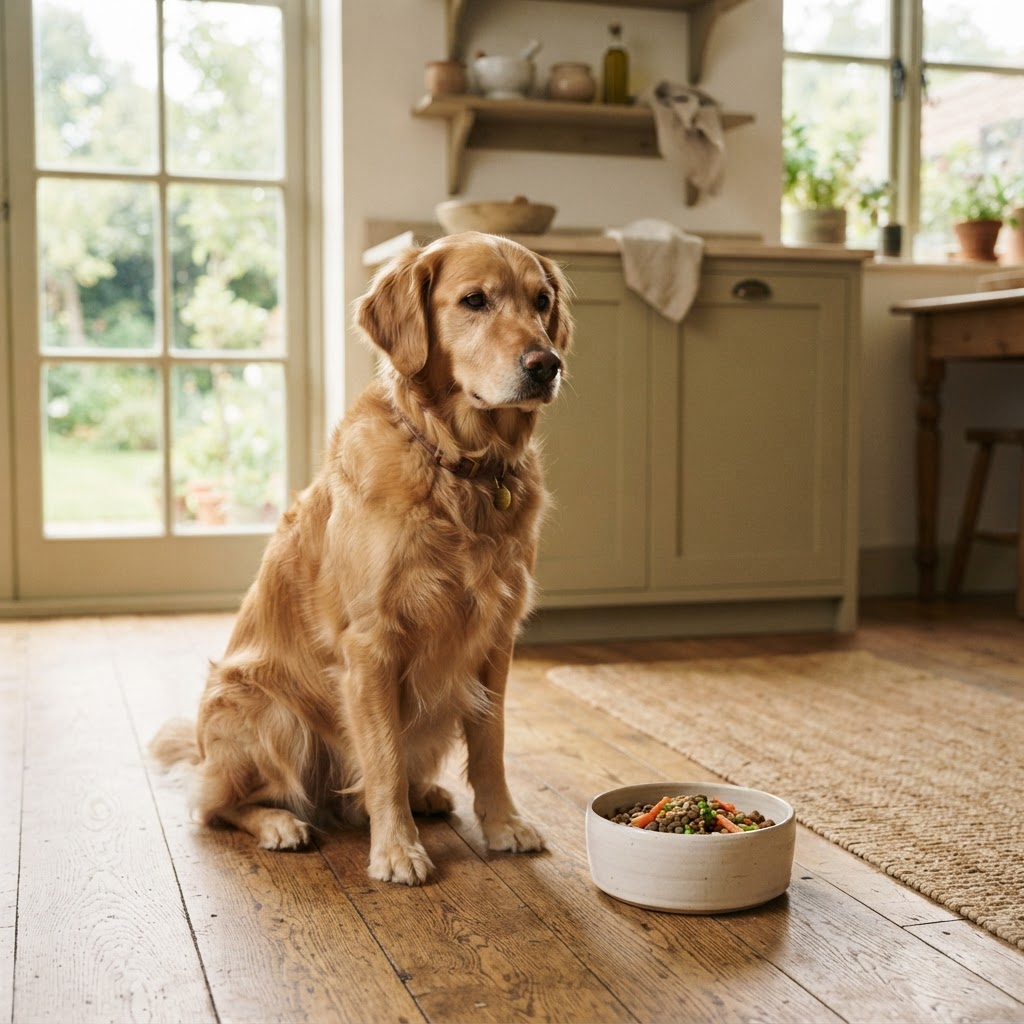
If your dog regularly vomits after meals, produces loose stools, or seems gassy and uncomfortable, you're not imagining things — and you're not alone. Sensitive stomachs are one of the most common concerns veterinarians hear from dog owners. This guide explains exactly what causes digestive sensitivity in dogs, what ingredients to seek out or avoid, and which feeding strategies genuinely help.
Key Takeaways
- Canine digestive sensitivity is often triggered by specific proteins, artificial additives, or rapid diet changes — not simply "rich" food.
- Limited-ingredient diets (LIDs) with a single novel protein source are the most widely recommended starting point by veterinary nutritionists.
- Hydrolyzed protein formulas break proteins into molecules too small to trigger immune responses, making them useful for dogs with food allergies overlapping with GI sensitivity.
- Bland, easily digestible carbohydrates — white rice, sweet potato, oatmeal — support gut recovery and stool consistency.
- Transition periods of 7–10 days when switching foods reduce the risk of flare-ups.
- Always rule out underlying conditions (IBD, parasites, exocrine pancreatic insufficiency) with a veterinarian before committing to a long-term diet change.
What "Sensitive Stomach" Actually Means in Dogs
A sensitive stomach in dogs is a colloquial term for chronic or recurrent gastrointestinal (GI) upset — including vomiting, diarrhea, flatulence, or inconsistent stool quality — not attributable to a single acute illness. It is not a formal veterinary diagnosis but rather a symptom cluster that can stem from food intolerance, food allergy, intestinal dysbiosis (an imbalance of gut bacteria), or underlying GI disease. Understanding the distinction matters because the best food for dogs with a sensitive stomach depends entirely on the root cause.
Food Intolerance vs. Food Allergy
A food intolerance is a digestive reaction — typically to an ingredient like lactose or a specific fat level — that does not involve the immune system. A food allergy, by contrast, is an immune-mediated response, most commonly triggered by proteins such as beef, dairy, wheat, chicken, lamb, soy, pork, rabbit, or fish, which together account for roughly 90% of confirmed canine food allergies according to research published in BMC Veterinary Research. Dogs can have both simultaneously, which is why a structured elimination diet trial (lasting 8–12 weeks minimum) is the gold standard for diagnosis.
Ingredients to Prioritize for Sensitive Stomachs
The best food for dogs with a sensitive stomach is built around a short, recognizable ingredient list anchored by one high-quality protein and one or two digestible carbohydrate sources.
Novel Proteins
A novel protein is one the dog has never eaten before, reducing the chance of a pre-existing immune reaction. Common novel protein options include venison, duck, kangaroo, bison, and white fish. Novel proteins are the foundation of limited-ingredient diets (LIDs), which typically contain fewer than ten main ingredients and are formulated to minimize antigenic load on the GI tract.
Hydrolyzed Proteins
Hydrolyzed protein diets use proteins that have been enzymatically broken into peptides smaller than 10,000 daltons — below the threshold that typically activates an immune response. These formulas are prescription-grade and particularly useful when a dog has failed multiple novel protein trials.
Digestible Carbohydrates
White rice has a digestibility coefficient above 98% in dogs, making it the most commonly recommended carbohydrate during GI recovery. Sweet potato, pumpkin, and oatmeal also support gut motility and provide soluble fiber that feeds beneficial gut bacteria. Avoid high-fiber fillers like corn bran or cellulose in sensitive dogs, as fermentation can worsen gas.
Probiotics and Prebiotics
Probiotics are live microorganisms that, when administered in adequate amounts, confer a health benefit on the host. For dogs, strains such as Lactobacillus acidophilus, Bifidobacterium animalis, and Enterococcus faecium SF68 have the strongest evidence base in veterinary literature. Pairing them with prebiotic fibers (inulin, FOS) supports colonization. Look for diets that carry NASC (National Animal Supplement Council) quality seals or AAFCO-compliant labeling when evaluating probiotic-enhanced kibble.
Ingredients to Avoid
Artificial preservatives (BHA, BHT, ethoxyquin), artificial colors, and carrageenan are commonly associated with GI irritation in sensitive dogs. High fat content — above 15–18% dry matter — can slow gastric emptying and trigger vomiting or pancreatitis risk in predisposed breeds like Miniature Schnauzers and Cocker Spaniels. Grain-free diets marketed broadly for sensitive stomachs are not inherently superior; the FDA began investigating a potential link between grain-free diets high in legumes and dilated cardiomyopathy (DCM) in 2018, and veterinary cardiologists generally advise caution without a specific grain intolerance diagnosis.
Feeding Strategies That Support Digestive Health
Choosing the right food is only half the equation — how you feed matters as much as what you feed.
Transition Slowly
Abrupt diet changes are a leading cause of acute GI upset. A 7-to-10-day transition — replacing 25% of the old food with new food every 2–3 days — allows gut microbiota to adjust and dramatically reduces the risk of diarrhea.
Consider Meal Frequency
Feeding two smaller meals per day rather than one large meal reduces gastric acid accumulation and lowers bloat risk, particularly in deep-chested breeds such as Great Danes, Weimaraners, and Standard Poodles.
Rotate Proteins Thoughtfully
Once a dog's GI issues are stable, rotating proteins every 3–6 months under veterinary guidance can prevent new intolerances from developing — a concept called dietary rotation. This strategy is more practical with whole-food or gently cooked formats than with standard kibble.
If you're interested in preparing home-cooked meals designed around digestive health, explore our vet-informed dog recipes in the Simply Petastic recipe library, where each formula is reviewed for nutritional completeness.
Frequently Asked Questions
What is the single best protein for a dog with a sensitive stomach? There is no universally "best" protein — the ideal choice depends on your dog's individual history. If your dog has eaten chicken most of its life, duck or venison is a logical novel protein to trial. A board-certified veterinary nutritionist can help you choose based on a full dietary history.
Is grain-free food better for sensitive stomachs? Not automatically. Grains like oatmeal and white rice are actually highly digestible and supportive of gut health in most dogs. Grain-free diets are appropriate when a dog has a confirmed grain intolerance, but they should not be chosen as a default based on marketing alone.
How long does it take to see improvement after switching food? Most dogs show measurable improvement in stool quality within 2–4 weeks of switching to an appropriate diet. A full food allergy elimination trial requires 8–12 weeks before conclusions can be drawn.
Can probiotics alone resolve sensitive stomach symptoms? Probiotics can significantly reduce the frequency and severity of GI symptoms caused by dysbiosis, but they do not address food intolerances or allergies. They work best as a complement to an appropriate base diet.
Should I feed wet or dry food to a dog with a sensitive stomach? Both can be appropriate. Wet food has higher moisture content, which supports digestion and hydration, but it also tends to be higher in fat. Dry kibble with a proven digestibility rating above 85% and a short ingredient list is often the most practical daily option. Your veterinarian can guide the right format for your dog's specific presentation.
Are homemade diets a good option? Homemade diets can be excellent for sensitive-stomach dogs when properly balanced, but fewer than 5% of home-prepared dog food recipes found online meet AAFCO minimum nutrient profiles without supplementation. Always work with a veterinary nutritionist to formulate a complete recipe.
Find the Right Support for Your Dog
Navigating food sensitivities is rarely a one-and-done fix — it's an ongoing relationship between what you feed, how your dog responds, and the guidance of professionals who know your pet. Browse our local veterinarian and groomer directory through the Simply Petastic care network to find vet-nutritionist partnerships in your area, or return to the recipe library to build a rotation of wholesome, sensitivity-conscious meals your dog will actually love. Your dog's gut will thank you for it.

