

How Often Should You Groom a Cat? A Seasonal Guide for Every Coat
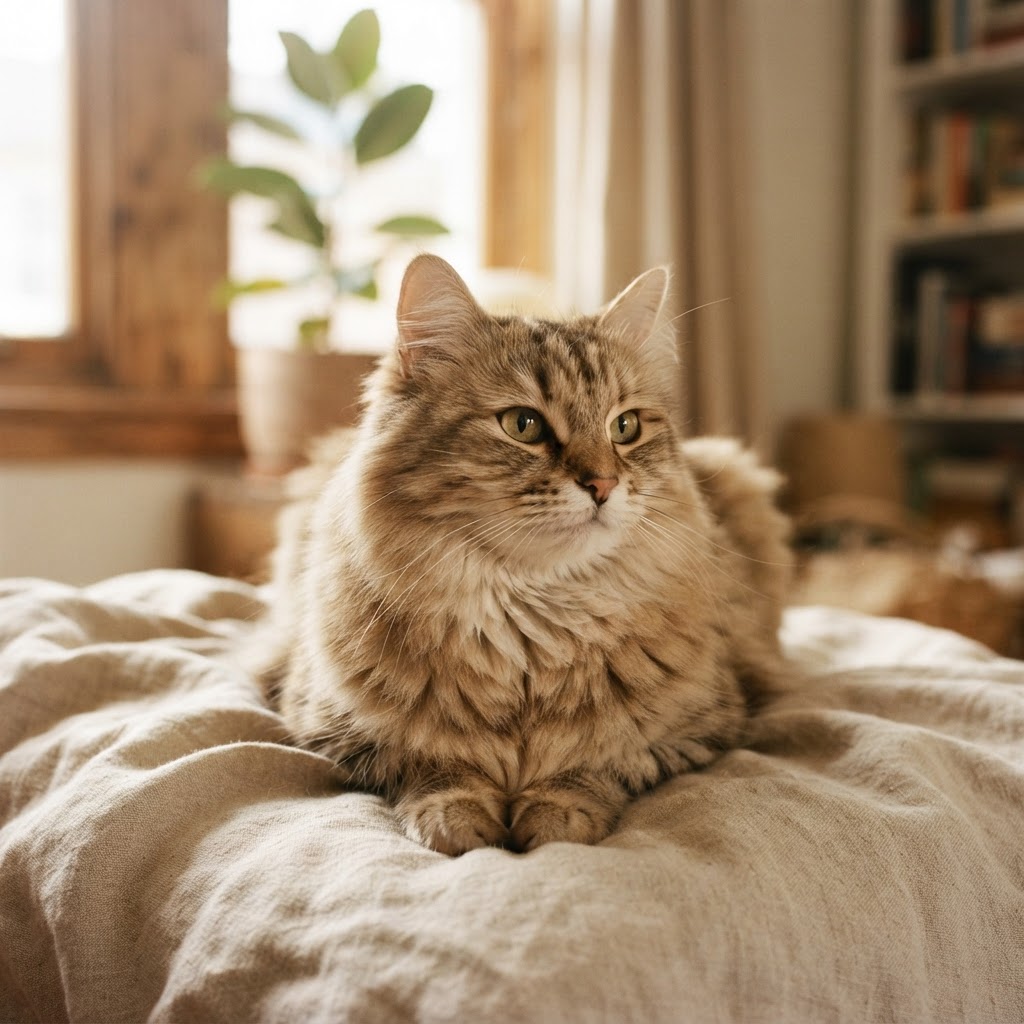
Most cat owners assume their feline is self-sufficient when it comes to grooming — and while cats are impressively tidy creatures, that assumption quietly leads to matted coats, hairballs, and skin conditions that a little human help could have prevented. This guide tells you exactly how often to groom a cat by season, coat type, and life stage, so you can build a rhythm that genuinely works for both of you.
Key Takeaways
- Short-haired cats need brushing 1–2 times per week; long-haired breeds like Maine Coons and Persians need daily brushing year-round.
- Shedding peaks in spring and fall (called seasonal molting), when grooming frequency should roughly double.
- Bathing is rarely necessary for healthy cats — most vets recommend no more than 1–2 baths per year unless medically indicated.
- Kittens and senior cats have distinct grooming needs that differ from healthy adult cats.
- A consistent grooming schedule reduces hairball formation, prevents matting, and supports early detection of lumps, parasites, or skin irregularities.
Why Cat Grooming Frequency Is Not One-Size-Fits-All
Cat grooming frequency is determined by three overlapping variables: coat length and density, the current season, and the individual cat's age and health status. A single "brush once a week" rule ignores all three — and that's where problems begin. Understanding each factor lets you build a schedule that's proactive rather than reactive.
Coat Types and Their Baseline Needs
A cat's coat type is the single strongest predictor of how much grooming support it needs from you.
- Short, single-layer coats (Siamese, Abyssinian, Russian Blue): Weekly brushing with a rubber grooming mitt or soft-bristle brush is sufficient. These coats rarely mat and shed moderately.
- Dense double coats (American Shorthair, British Shorthair, Norwegian Forest Cat): Brush 2–3 times per week. The dense undercoat traps dead hair and can develop mats near the armpits and hindquarters without regular attention.
- Long, silky coats (Persian, Ragdoll, Birman): Daily brushing is non-negotiable. A wide-toothed steel comb followed by a slicker brush is the professional standard for preventing tangles from becoming full mats.
- Curly or wavy coats (Devon Rex, Cornish Rex): These coats are fine and sparse, so heavy brushing can cause breakage. A very soft bristle brush 2–3 times per week is enough.
If you're uncertain about your cat's specific coat category, a certified groomer in our local care network can assess your cat in person and recommend the right tools.
A Season-by-Season Grooming Guide
Seasonal molting — the natural cycle in which cats shed their undercoat in response to changes in daylight and temperature — means your grooming schedule should shift throughout the year.
Spring: Peak Shedding Season
Spring is the heaviest shedding period for most cats. As winter undercoats release, even short-haired cats can leave impressive amounts of fur on furniture and clothing. During March through May, increase brushing sessions by 50–100% above your baseline. For long-haired breeds, this often means twice-daily grooming. A de-shedding tool like the Furminator or a grooming rake reaches the undercoat more effectively than standard brushes during this period.
Summer: Maintenance Mode
Shedding slows through summer, but heat can still cause discomfort in dense-coated breeds. Maintain your regular schedule and check for signs of excessive grooming or bald patches, which can indicate stress, allergies, or flea activity. This is a good season for a professional grooming appointment, particularly a sanitary trim for long-haired cats.
Fall: The Second Shed
A secondary, lighter shed occurs in September through November as cats grow their winter undercoat. Increase brushing frequency again — not as aggressively as spring, but by roughly 25–50%. Pay special attention to areas behind the ears, under the collar, and around the base of the tail where tangles form first.
Winter: Low-Frequency, High-Quality
Indoor heating reduces humidity, which can dry out skin and increase static in a cat's coat. Maintain baseline brushing, and consider adding a small amount of omega-3 fatty acid to your cat's diet to support coat hydration from within. Our cat-friendly recipe library includes vet-informed meal toppers formulated with coat health in mind.
Grooming Needs by Life Stage
Kittens (Under 1 Year)
Kittens under 12 weeks don't require brushing, but introducing gentle handling, paw touches, and short brush sessions early creates cats that tolerate grooming as adults. Start with a soft baby brush 2–3 times per week from around 8 weeks.
Adult Cats (1–10 Years)
Healthy adult cats follow the coat-type and seasonal schedules described above. Annual wellness exams are a good time to ask your vet whether your cat's coat health reflects their overall nutritional status.
Senior Cats (10+ Years)
Older cats often reduce their own self-grooming due to arthritis, reduced flexibility, or dental pain. A senior cat that appears unkempt is frequently telling you something hurts. Step in with daily gentle brushing, and schedule a vet visit if you notice a sudden change in coat condition. Find a vet experienced with senior cats through our pet care directory.
Frequently Asked Questions
How often should you groom a cat with a short coat? Short-haired cats generally need brushing once or twice a week. During spring and fall shedding seasons, increasing to three or four sessions per week helps control loose fur and reduces hairball formation.
Do indoor cats need grooming as often as outdoor cats? Indoor cats shed year-round due to artificial light and consistent indoor temperatures, which disrupt natural molting cycles. This can actually mean indoor cats benefit from more consistent brushing than their outdoor counterparts, even if their coat looks cleaner.
Is it safe to shave a cat in summer? Veterinary consensus generally advises against shaving healthy cats. A cat's coat provides insulation against both heat and cold and protects the skin from sunburn. Exceptions include medically necessary shaving ordered by a vet or professional mat removal.
How do I know if my cat has a mat? A mat is a dense, tangled clump of fur that feels firm or rope-like when you press it gently. Mats form most often behind the ears, under the legs, and near the base of the tail. Never attempt to cut a mat with scissors without professional guidance — cat skin is thin and cuts happen easily.
How often should cats be bathed? Most veterinarians recommend bathing healthy cats no more than once or twice per year. More frequent bathing strips the coat of natural oils. Exceptions apply to hairless breeds like the Sphynx, which need weekly skin wipes to prevent oil buildup.
What brush is best for reducing hairballs? De-shedding brushes and grooming rakes that reach the undercoat — such as the Furminator or a double-row undercoat rake — are most effective at removing loose fur before your cat ingests it during self-grooming. Pair regular brushing with a fiber-rich diet to help any swallowed hair pass safely.
A consistent grooming practice is one of the simplest ways to stay connected to your cat's health season by season. When you're ready to go deeper — whether that means finding a trusted local groomer, discovering vet-informed coat-supporting recipes, or sourcing small-batch grooming tools from independent makers — our pet care network and recipe library are built exactly for that. Start exploring, and bring a little more intention to every brush stroke.