

What to Look for in a Local Veterinarian: A Guide for Pet Parents
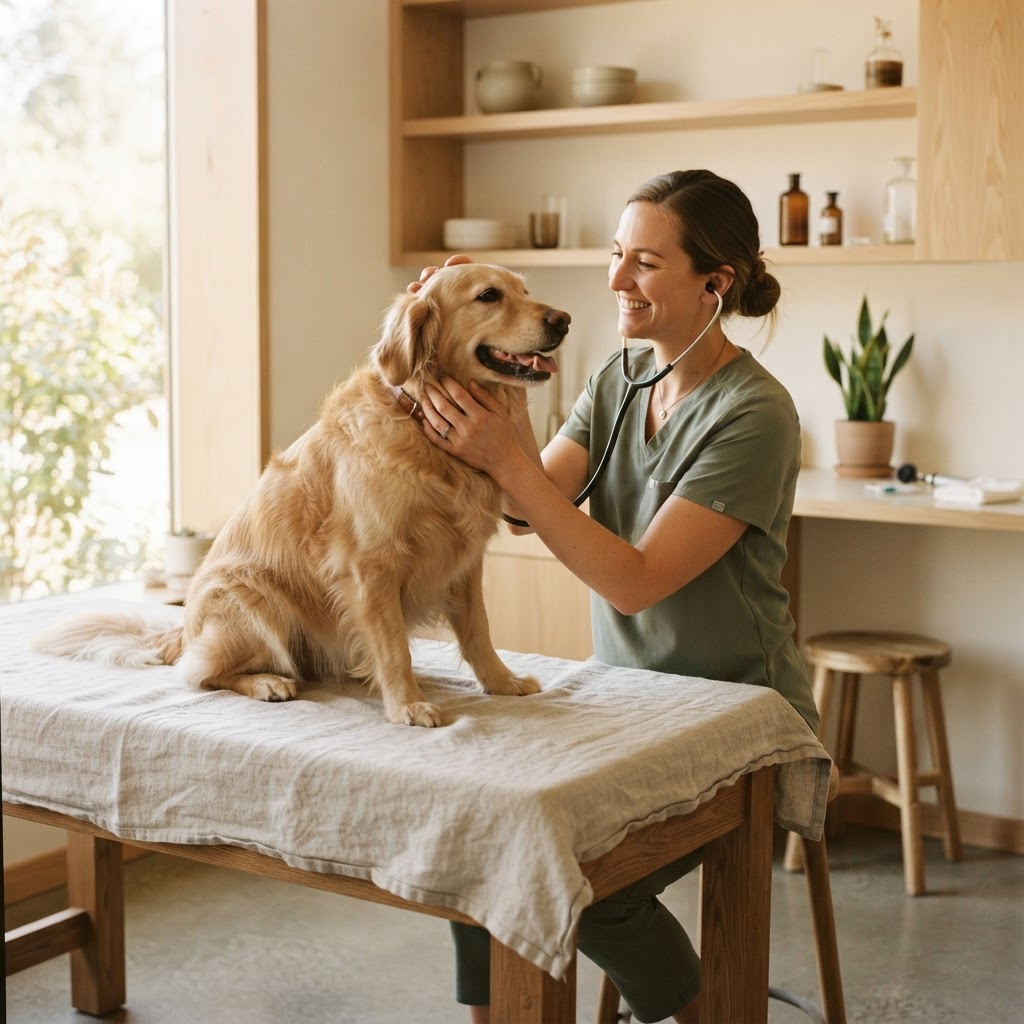
Choosing the right veterinarian is one of the most consequential decisions you'll make for your pet — and it deserves more thought than a quick Google search. This guide breaks down exactly what to look for in a local veterinarian, from credentials and communication style to clinic culture and preventive care philosophy, so you can make a confident, informed choice.
Key Takeaways
- Board certification and AAHA accreditation are the two most reliable markers of clinical quality in a veterinary practice.
- The best veterinarian-pet-parent relationships are built on transparent communication, not just technical skill.
- A good vet will ask about your pet's diet, lifestyle, and environment — not just present symptoms.
- Fear Free certification indicates a clinic has been trained to reduce anxiety in animal patients.
- Location and hours matter: a vet you can actually get to in an emergency is worth more than one who is theoretically superior but 45 minutes away.
- The first wellness visit is a two-way interview — you are evaluating them as much as they are evaluating your pet.
What Credentials Actually Mean
A licensed veterinarian in the United States has completed a four-year Doctor of Veterinary Medicine (DVM or VMD) degree from an AVMA-accredited institution and passed the North American Veterinary Licensing Examination (NAVLE). Beyond that baseline, board-certified specialists — such as a Diplomate of the American College of Veterinary Internal Medicine (DACVIM) — have completed an additional three to four years of residency training in a specific field. For most routine and preventive care, a well-regarded general practitioner is entirely appropriate. However, if you have a breed with known predispositions — a Cavalier King Charles Spaniel prone to mitral valve disease or a Persian cat susceptible to polycystic kidney disease — proximity to a specialist in that discipline is worth factoring into your decision.
AAHA Accreditation: What It Signals
The American Animal Hospital Association (AAHA) accredits veterinary practices that meet or exceed more than 900 standards of care across areas including anesthesia protocols, pain management, surgical suite hygiene, and patient records. Only about 15% of veterinary practices in the US are AAHA-accredited, making it a meaningful differentiator rather than a default credential.
How to Assess Communication and Care Philosophy
The hallmark of a trustworthy veterinary practice is a willingness to explain, not just prescribe. During your first visit, pay attention to whether the veterinarian asks open-ended questions about your pet's daily routine, energy levels, and food. A thorough intake conversation — one that goes beyond "any vomiting or diarrhea?" — suggests a whole-animal approach to health rather than a reactive, symptom-only model.
Ask directly about the clinic's philosophy on preventive care. Does the vet tailor vaccination schedules to lifestyle and risk factors, as recommended by the AAFP (American Association of Feline Practitioners) and AAHA guidelines, rather than applying a one-size-fits-all protocol? A practitioner who says "your indoor-only cat doesn't need the same core-plus schedule as a barn cat" is demonstrating evidence-based individualization.
Nutrition conversations are another reliable signal. A vet who engages seriously with your questions about ingredient quality, life-stage formulas, or home-prepared diets — rather than defaulting immediately to a prescription brand — reflects current thinking in veterinary nutritional science. Pair those conversations with resources from the Simply Petastic recipe library, which features vet-informed pet food and treat recipes developed with whole, traceable ingredients.
Practical Factors That Deserve Equal Weight
Finding the right veterinarian also means finding the right fit for your actual life. Several practical criteria matter more than most guides acknowledge.
Hours and Emergency Access
A clinic with extended weekday hours and Saturday availability reduces the odds you'll end up at an emergency animal hospital for a non-critical issue that escalated because you couldn't get a timely appointment. Confirm whether the practice offers same-day sick appointments or has a triage nurse line for after-hours guidance.
Fear Free Certification
Fear Free is a formal certification program — founded by veterinarian Dr. Marty Becker — that trains veterinary professionals to reduce emotional trauma and physical stress in animal patients through low-stress handling techniques, pre-visit pharmaceutical protocols, and modified exam room design. A Fear Free Certified Practice is especially valuable for anxious dogs, cats with white-coat stress responses, or small animals that find handling highly dysregulating.
Staff Turnover and Continuity of Care
High staff turnover at a veterinary clinic is a meaningful quality signal — not just an HR issue. Continuity of care, where the same veterinarian reviews your pet's longitudinal health history at each visit, leads to earlier detection of chronic condition patterns and better-calibrated treatment decisions. Ask front desk staff how long the current associate veterinarians have been at the practice.
Transparency in Pricing
Reputable clinics will provide written estimates before non-emergency procedures and will not pressure you into same-day decisions on elective diagnostics. Ask whether the clinic uses tiered treatment options so you can make financially informed decisions without sacrificing core care.
Questions to Ask at the First Visit
- What vaccination protocol do you recommend for my pet's specific lifestyle and risk level?
- How do you handle pain management for routine procedures such as dental cleanings or spays?
- What is your referral process if my pet needs specialist care?
- Do you have a Fear Free or low-stress handling policy?
- How are after-hours emergencies handled — do you have a partner emergency clinic?
Frequently Asked Questions
What is the difference between a DVM and a VMD? Both are equivalent Doctor of Veterinary Medicine degrees. DVM is awarded by most US veterinary schools; VMD is the designation used exclusively by the University of Pennsylvania School of Veterinary Medicine. There is no difference in scope of practice or licensing requirements.
How often should a healthy adult dog or cat see a veterinarian? Healthy adult dogs and cats between ages one and seven should have a comprehensive wellness examination once per year. Pets over seven years old — considered senior for most breeds — benefit from biannual exams, as age-related conditions such as hyperthyroidism in cats or osteoarthritis in dogs can progress quickly between annual visits.
What does it mean for a vet practice to be Fear Free certified? Fear Free certification means the veterinary team has completed formal coursework on reducing anxiety, fear, and stress in animal patients, including modified handling protocols and, where appropriate, pre-visit calming medications. It is a voluntary, paid certification that requires ongoing education to maintain.
Is it worth traveling farther for an AAHA-accredited clinic? For routine care, proximity and relationship quality often outweigh accreditation alone. AAHA accreditation is a strong quality signal, but a non-accredited clinic run by a highly experienced, communicative veterinarian may serve your pet better than an accredited practice where you never see the same doctor twice.
Can I bring a second opinion to my vet? Absolutely — and a confident veterinarian will welcome it. Seeking a second opinion before a major diagnosis or surgery is standard practice in veterinary medicine, not an act of distrust.
What role does my pet's diet play in veterinary conversations? Diet is foundational to preventive health, and any thorough wellness exam should include a nutrition review. If your vet doesn't ask about what your pet eats, bring it up yourself. The conversation can meaningfully inform recommendations around weight management, dental health, and organ function screening.
The right local veterinarian is out there — and finding them is easier when you know what to look for. Browse the Simply Petastic local vet and groomer directory to explore highly rated practices in your area, filtered by specialty, certification, and proximity. While you're building your pet's wellness plan, the Simply Petastic recipe collection offers vet-informed meal and treat ideas to complement the care your new vet recommends.

