

Seasonal Pet Health Checklist: A Year-Round Guide for Happy Pets
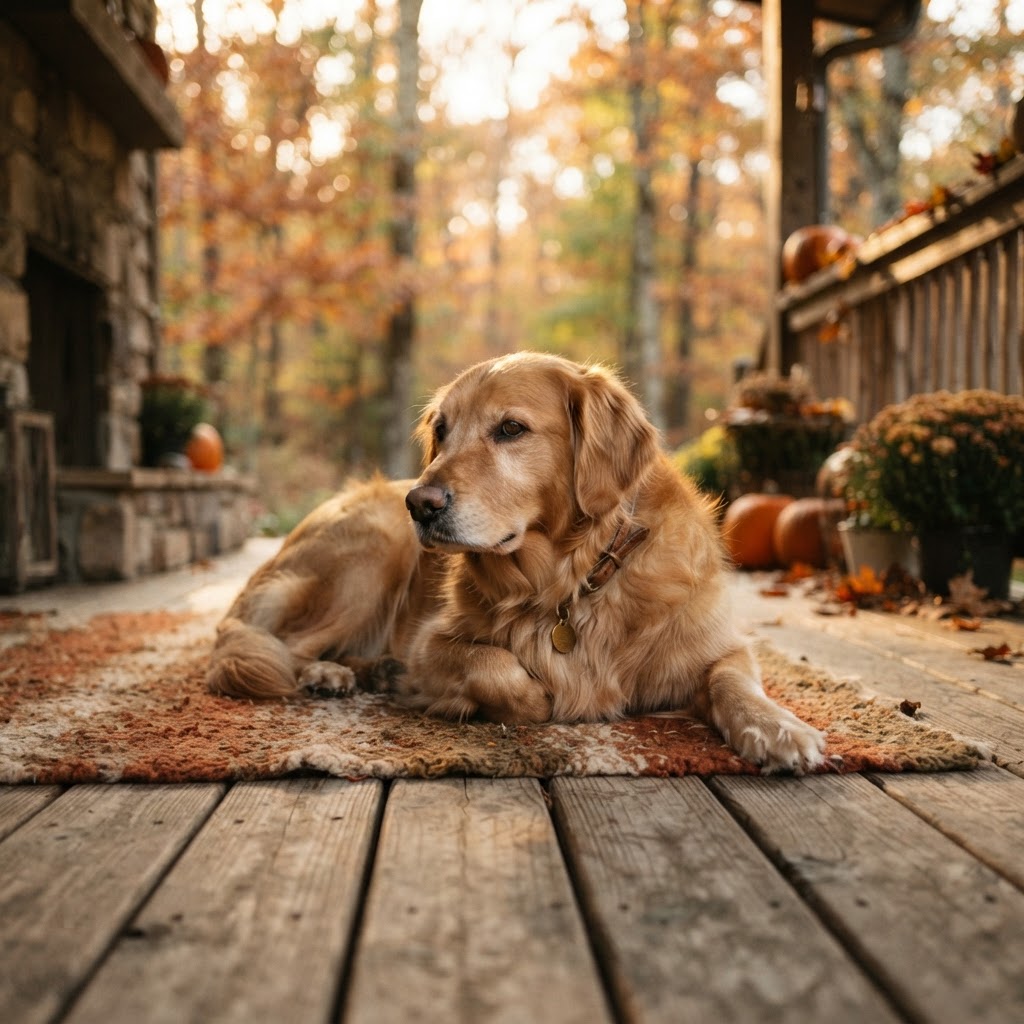
Every season brings a new set of joys for your pet — and a new set of health considerations. This guide gives you a complete seasonal pet health checklist you can follow month by month, so nothing slips through the cracks and your dog or cat stays thriving from January through December.
Key Takeaways
- Seasonal health risks for pets are real and predictable — proactive care is more effective than reactive treatment.
- Parasite prevention (fleas, ticks, heartworm) should be maintained year-round in most US climates, not just in summer.
- Nutritional needs and activity levels shift with the seasons; adjusting food portions and enrichment accordingly prevents weight gain and boredom-related stress.
- Coat care requirements change significantly between shedding seasons (spring and fall) and require grooming adjustments.
- A twice-yearly veterinary wellness exam — ideally timed in spring and fall — is the single most effective preventive health investment for most pets.
- Local seasonal events are a meaningful way to keep your pet socialized and mentally stimulated year-round.
Why a Seasonal Approach to Pet Health Works
A seasonal pet health checklist is a structured, calendar-based framework that aligns your pet's care routine with the biological and environmental changes that occur across the four seasons. Rather than reacting to illness or injury, this approach lets you anticipate risks — from spring pollen triggering pet allergies to winter paw pad damage from road salt — and address them before they escalate. The result is fewer emergency vet visits, lower long-term care costs, and a noticeably happier animal.
Spring: Reset, Prevent, and Refresh
Spring is the highest-risk season for external parasites. Fleas become active when ground temperatures consistently exceed 50°F, and black-legged ticks (the primary vector for Lyme disease) emerge as early as March in the northeastern US.
Parasite Prevention Priorities
- Start or confirm your pet is on a year-round flea and tick preventive. Products carrying the EPA registration label have met federal safety and efficacy standards.
- Schedule a heartworm test before resuming or starting heartworm preventives — the American Heartworm Society recommends annual testing even for pets on continuous prevention.
- Ask your vet about environmental treatments if you had a flea infestation the previous fall; flea pupae can overwinter indoors.
Spring Grooming and Coat Care
Double-coated breeds like Siberian Huskies, Golden Retrievers, and Bernese Mountain Dogs undergo a heavy "coat blow" in spring, shedding their dense winter undercoat over two to four weeks. Daily brushing with a de-shedding tool (such as an undercoat rake) reduces matting and supports healthy skin airflow. This is also the right time to book a professional groomer through the Simply Petastic local groomer directory.
Nutrition Adjustment
As activity increases with warmer weather, slightly increasing your pet's protein intake supports muscle maintenance. Our vet-informed pet recipes include several spring-ready meal add-ons using fresh seasonal ingredients like sardines (rich in omega-3 fatty acids) and lightly steamed peas.
Summer: Heat Safety and Hydration
Heatstroke in dogs can develop in under 20 minutes when ambient temperature exceeds 85°F, particularly in brachycephalic breeds such as French Bulldogs, Pugs, and Persian cats whose flattened airways limit effective panting.
Summer Checklist
- Hydration: Provide fresh water in multiple locations; add a splash of low-sodium chicken broth to encourage drinking.
- Paw pad protection: Asphalt can reach 145°F on a 95°F day — the "seven-second rule" (if you can't hold your hand on the pavement for seven seconds, it's too hot for paws) is a reliable field test.
- Sun protection: White-coated dogs and hairless breeds (Xolo, Sphynx cats) are susceptible to sunburn; pet-safe zinc-free sunscreens are available.
- Custom cooling wear: Lightweight, UV-blocking apparel reduces heat absorption on walks. Browse breathable summer options in Simply Petastic custom pet apparel.
Fall: Preparation and the Second Wellness Window
Fall is the second major shedding season and the optimal time for a pre-winter veterinary wellness exam before holiday disruptions and cold-weather illnesses peak.
Fall Health Priorities
- Weight check: Indoor activity typically drops in autumn; reduce portion sizes by approximately 10% for less active pets or switch to a lower-calorie formula.
- Dental health: Periodontal disease affects an estimated 80% of dogs over age three — fall is a practical window for a professional dental cleaning before year-end schedules fill.
- Toxin awareness: Fall brings seasonal hazards including Xylitol-containing Halloween candy, mushrooms (many toxic species fruit in cool, damp conditions), and rodenticide use as pests seek warmth.
- Vaccine review: Your vet will confirm whether annual boosters (Bordetella, leptospirosis, influenza) are current before boarding season begins.
Winter: Warmth, Joint Care, and Indoor Enrichment
Cold weather exacerbates osteoarthritis (OA), a degenerative joint disease affecting an estimated 25% of dogs, because low temperatures reduce synovial fluid viscosity in the joints.
Winter Checklist
- Joint support: Omega-3 supplementation (EPA and DHA from fish oil) at veterinarian-recommended doses has clinical evidence supporting reduced OA inflammation.
- Paw care: Rinse paws after outdoor walks to remove road salt and ice melt chemicals; many conventional deicers contain calcium chloride, which causes chemical burns on paw pads.
- Indoor enrichment: Shorter days and cold temperatures reduce outdoor time. Puzzle feeders, nose-work games, and indoor agility circuits prevent anxiety and destructive behavior.
- Coat and shelter: Even cold-tolerant breeds like Alaskan Malamutes need dry shelter from prolonged freezing rain; small, short-coated breeds benefit from fitted insulating jackets.
Frequently Asked Questions
How often should I take my pet to the vet for seasonal check-ups? Most veterinarians recommend a minimum of two wellness exams per year — one in spring and one in fall. Senior pets (generally dogs over age seven, cats over age ten) benefit from quarterly monitoring of bloodwork and organ function.
Is heartworm prevention really necessary year-round? Yes, in most US regions. Mosquitoes — the sole vector for Dirofilaria immitis, the heartworm parasite — can survive mild winter days. Year-round prevention eliminates the risk of a missed dose creating a treatment gap.
What are the signs of seasonal allergies in pets? Seasonal allergies (atopic dermatitis) in dogs typically present as itching, paw licking, and recurring ear infections rather than sneezing. Cats may show over-grooming or skin lesions. Both conditions are manageable with vet-guided treatment including antihistamines, Cytopoint (for dogs), or dietary support.
How do I adjust my pet's diet between seasons? Reduce caloric intake by 10–15% during low-activity winter months and increase protein slightly in spring and summer when exercise ramps up. Always transition foods gradually over seven to ten days to avoid gastrointestinal upset.
Can seasonal changes affect my pet's mental health? Yes. Dogs especially show behavioral changes linked to reduced daylight and outdoor time, including increased anxiety and destructive chewing. Structured play, socialization, and consistent routines are the most effective management tools.
When should I start using tick prevention in spring? Begin tick prevention in early March in most of the continental US, or when daytime temperatures consistently reach 40°F — the threshold at which Ixodes scapularis (deer tick) resumes activity.
Stay Connected to Your Pet Community, Season by Season
The best seasonal pet care doesn't happen in isolation — it's part of an ongoing relationship with your vet, your groomer, and a community of people who care as much about their animals as you do. Check the Simply Petastic local events calendar to find seasonal wellness walks, vaccination clinics, and meet-ups near you. If you're a pet-care professional looking for a smarter way to connect with clients, subscribe to Simply Petastic Pro for curated leads and local visibility that grows with every season.