
Essential UVB Lighting Guide for Pet Reptiles
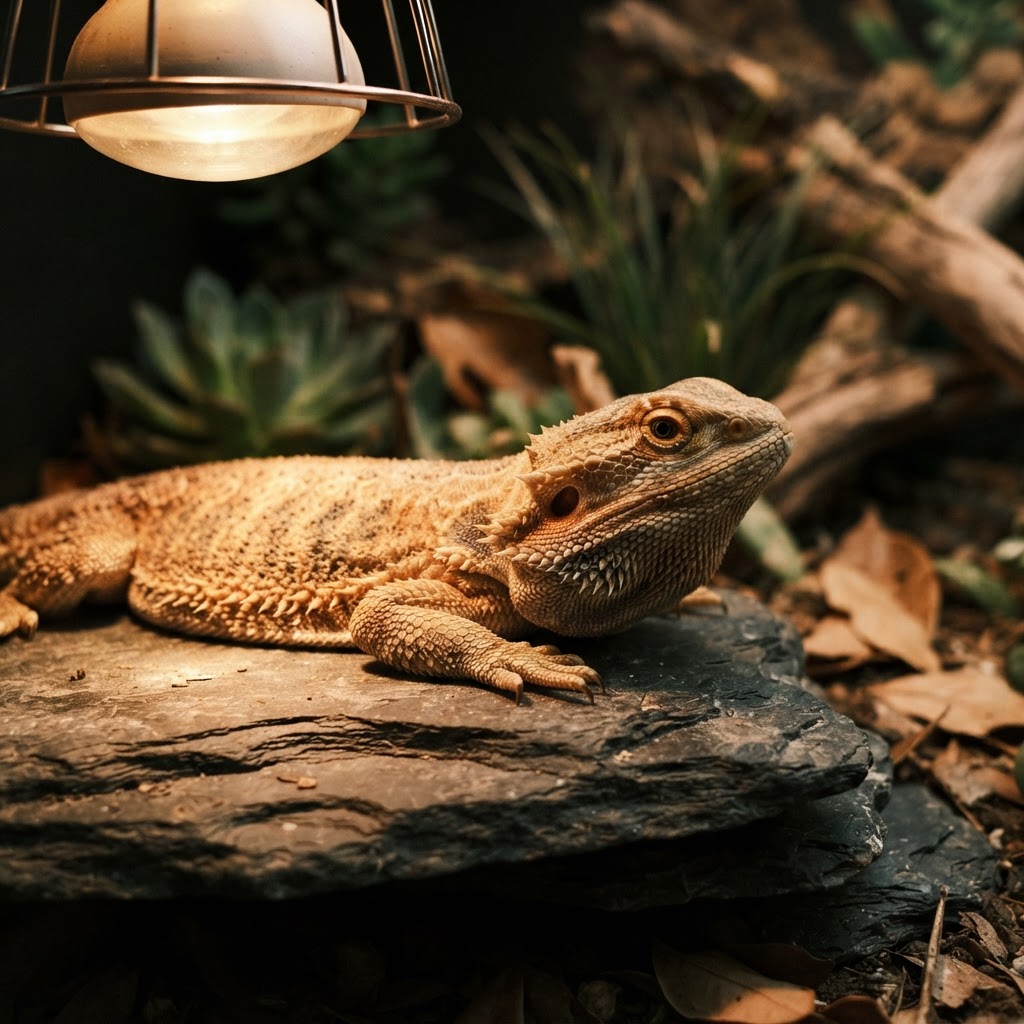
Getting UVB lighting for reptiles right can mean the difference between a thriving, active animal and one silently developing metabolic bone disease. This guide covers everything you need to know — from understanding UV indexes to choosing the right bulb for your specific species — so you can build a lighting setup that genuinely supports your reptile's long-term health.
Key Takeaways
- UVB lighting allows reptiles to synthesize vitamin D3, which is essential for calcium absorption and bone health
- Not all reptiles have the same UVB requirements — desert species need far more UV exposure than forest-floor dwellers
- Bulbs lose UVB output long before they stop producing visible light; most should be replaced every 6–12 months
- The Ferguson Zone system is the most reliable framework for matching UV intensity to your specific species
- Placement distance from the bulb to the basking spot directly affects how much UVB your reptile actually receives
- Both linear fluorescent tubes and mercury vapor bulbs are effective options, depending on enclosure size and species needs
Why UVB Lighting Matters for Reptiles
UVB radiation triggers a chemical reaction in reptile skin that produces vitamin D3, a nutrient that makes calcium absorption from food possible. Without adequate UVB exposure, reptiles cannot properly process the calcium in their diet regardless of how well they are fed. The result is metabolic bone disease (MBD), a painful and often irreversible condition that causes softening of the skeleton, tremors, and eventually paralysis. For most reptile owners, a proper UVB setup is the single most impactful investment they can make.
Understanding the Ferguson Zone System
The Ferguson Zone system divides reptiles into four groups based on their natural sun-exposure behavior in the wild. Each zone corresponds to a recommended UV Index (UVI) range at the basking spot.
- Zone 1 (UVI 0–0.7): Shade-dwelling species like some skinks and leopard geckos
- Zone 2 (UVI 0.7–1.0): Partial sun species such as crested geckos and blue-tongued skinks
- Zone 3 (UVI 1.0–2.6): Open sun baskers like bearded dragons and water dragons
- Zone 4 (UVI 2.6–6.0+): High-altitude or intense sun species like uromastyx and chameleons in certain environments
Knowing your reptile's zone lets you select a bulb and placement distance that delivers the right intensity — not too weak to be effective, not so strong it causes UV burns. A UV meter (solar meter) is the most accurate way to confirm your setup hits the right UVI at the basking surface.
Choosing the Right Bulb Type
Linear Fluorescent T5 HO Tubes
High-output T5 fluorescent tubes are widely regarded as the most versatile UVB option for the majority of pet reptiles. They produce a wide, even spread of UVB across a larger area of the enclosure, which is valuable for animals that move around rather than staying glued to one basking spot. Reputable brands offer tubes in different UVB output strengths (often labeled as 5.0, 10.0, or 12%) — higher percentages produce more UV at a given distance. For most bearded dragons, T5 HO 10.0 tubes mounted 10–14 inches from the basking surface are a solid starting point.
Mercury Vapor Bulbs
Mercury vapor bulbs combine a basking heat source with UVB output in a single unit, making them a convenient choice for larger enclosures or high-zone species. They produce UV at greater distances than fluorescent tubes, which matters in taller terrariums. The tradeoff is higher heat output and less flexibility in controlling heat and UV independently.
Compact Fluorescent and T8 Tubes
Older compact fluorescent coil-style UVB bulbs and standard T8 tubes tend to produce lower UVB output and have been largely replaced by T5 HO options in serious reptile husbandry. They can work for low-zone species at close range, but they are rarely the best choice today.
Placement, Distance, and Photoperiod
The distance between the UVB bulb and your reptile's basking surface is critical — UVB intensity drops off sharply as distance increases. Always consult the manufacturer's placement guidelines for your specific bulb, and verify with a UV meter when possible. Glass and most plastic materials block UVB almost entirely, so the bulb must be either inside the enclosure or positioned above a mesh screen top. Keep in mind that mesh can reduce UVB transmission by 30–50%, which means you may need to mount the bulb closer than you would over an open top.
For photoperiod, most reptiles benefit from 10–14 hours of light during warmer months and 10–12 hours during winter, roughly mimicking natural seasonal changes. Consistent day-night cycles support healthy circadian rhythms, digestion, and reproductive behavior.
Bulb Replacement and Monitoring
One of the most common mistakes in reptile care is leaving UVB bulbs in place too long. Fluorescent UVB tubes typically lose effective UVB output within 6–12 months even though they continue to produce visible light normally. Mercury vapor bulbs often last a bit longer but should still be tested periodically. Mark your calendar when you install a new bulb and replace it on schedule rather than waiting for it to visually appear worn out. If you want to stay current on equipment recommendations and husbandry updates, the Simply Petastic journal is a great place to check in regularly.
Quick Species Reference
| Species | Ferguson Zone | Recommended UVI at Basking Spot | |---|---|---| | Leopard Gecko | 1–2 | 0.3–1.0 | | Bearded Dragon | 3 | 2.0–3.0 | | Crested Gecko | 2 | 0.7–1.0 | | Uromastyx | 4 | 4.0–6.0 | | Ball Python | 1 | Optional, 0–0.7 |
Frequently Asked Questions
Do nocturnal reptiles like leopard geckos need UVB lighting? Research increasingly supports offering low-level UVB even to crepuscular and nocturnal species. While leopard geckos have survived in captivity without it for decades, low-intensity UVB (Zone 1 levels) appears to support better calcium metabolism and overall vitality. It is now considered best practice to provide it at a low level rather than skip it entirely.
Can reptiles overdose on UVB? Yes, excessive UV exposure can cause eye damage and skin burns, particularly in low-zone species exposed to high-output bulbs at close range. Always match the bulb output and placement distance to your species' Ferguson Zone, and provide shaded areas in the enclosure so your reptile can self-regulate its exposure.
How do I know if my UVB bulb is still working? Visible light output is not a reliable indicator of UVB output. The only accurate method is measuring with a Solarmeter 6.5 or similar UV meter designed for reptile use. Budget roughly $70–$130 for a reliable meter — it is a worthwhile investment for any serious reptile keeper.
Is a UVB bulb the same as a basking bulb? No. Standard basking bulbs produce heat and visible light but no meaningful UVB. Unless you are using a mercury vapor bulb specifically designed to do both, you will need separate heat and UVB sources. Many keepers use a T5 HO UVB tube combined with an incandescent or halogen basking spot for precise control over each variable.
What happens if I position the UVB bulb above a glass lid? Glass filters out nearly all UVB radiation, making the bulb essentially useless for its intended purpose. If your enclosure has a glass top, either replace it with a mesh screen or move the bulb inside the enclosure, keeping appropriate safety distances from your animal.
Where can I find quality reptile lighting equipment? The Simply Petastic marketplace is a great starting point for browsing vetted lighting options suited to different species and enclosure setups.
Getting your reptile's lighting environment right is one of the most rewarding things you can do as an owner — and it shows up clearly in how active, alert, and healthy your animal looks day to day. For more species-specific husbandry guidance, head over to our reptile care section and explore practical setup advice tailored to the animals you keep.