
Understanding Cat Body Language: How Your Feline Communicates
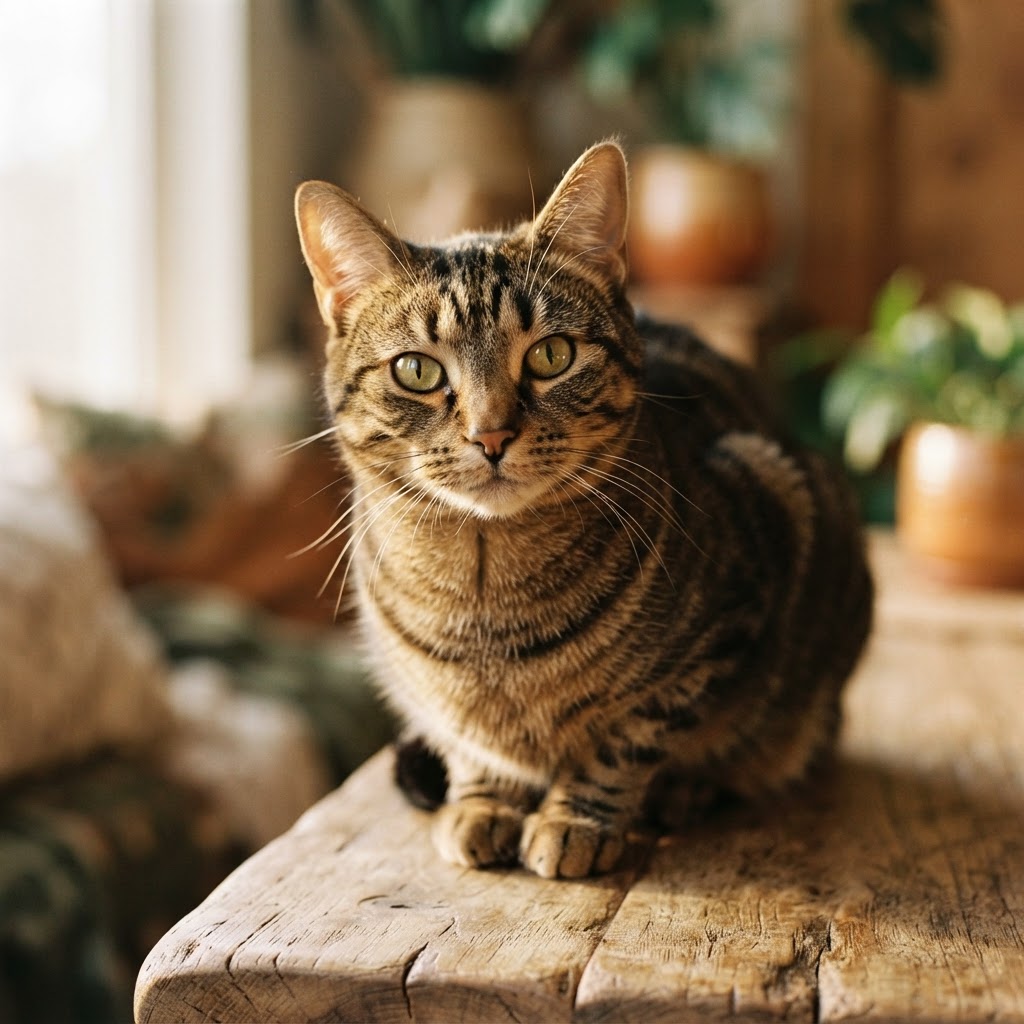
Your cat is communicating with you constantly — through her tail, her ears, her posture, and even the slow blink she gives you from across the room. Once you learn to read these signals, your relationship with your cat will fundamentally change. This guide breaks down the most important cat body language cues, what they actually mean, and how to respond in ways your cat will appreciate.
Key Takeaways
- A cat's tail position is one of the clearest indicators of mood — high and upright signals confidence; tucked or puffed signals fear or aggression.
- Slow blinking is a sign of trust and affection; you can return the gesture to strengthen your bond.
- Flattened ears almost always mean a cat is stressed, fearful, or preparing to defend itself.
- Exposed belly doesn't always mean "pet me" — it's often a sign of comfort and trust, not necessarily an invitation.
- Vocalizations like chirping, trilling, and chattering each carry distinct meanings and are often paired with body postures.
- Reading multiple signals together — not just one in isolation — gives you the most accurate picture of how your cat is feeling.
What Cat Body Language Actually Is
Cat body language is a system of physical signals — involving the tail, ears, eyes, posture, and whiskers — that cats use to express emotional states and intentions. Unlike dogs, cats evolved as both predators and prey, which means their communication style tends to be subtle and layered. Missing those nuances can lead to misread moods, unwanted scratches, and a cat who feels consistently misunderstood.
Reading the Tail: Your Cat's Emotional Barometer
A cat's tail position is the single most reliable real-time indicator of its emotional state.
Here's what specific positions mean:
Tail Up, Straight or Slightly Curved at the Tip
This is a greeting posture. When your cat walks toward you with her tail held high, she's happy to see you. A small hook at the tip indicates a friendly but slightly uncertain approach — she's deciding how the interaction will go.
Tail Puffed Up (Bottlebrush Tail)
The hair along the tail stands up to make the cat look larger. This almost always signals fear or extreme agitation. The cat is trying to appear more threatening to whatever is scaring it — another pet, a sudden loud noise, or an unfamiliar person.
Tail Tucked Low or Wrapped Around the Body
A low or tucked tail means your cat is anxious, submissive, or in pain. If you notice this posture paired with hiding or reduced appetite, it's worth a trip to the vet to rule out a physical cause.
Tail Lashing Back and Forth
Slow, deliberate tail swishing often indicates focused concentration — like when your cat watches a bird through the window. But fast, hard tail lashing is a warning sign. If you're petting your cat and the tail starts whipping, stop immediately. The cat is overstimulated and is about to bite or scratch.
Ear Positions and What They Signal
A cat's ears can rotate almost 180 degrees, giving them a wide range of expressive movement.
- Forward-facing ears signal curiosity, alertness, or interest.
- Slightly sideways or "airplane" ears indicate mild anxiety or irritation — often an early warning before escalation.
- Flattened ears pinned to the skull mean fear, aggression, or pain. This is a serious signal. Give the cat space immediately.
If you're introducing a new pet into your home and your resident cat's ears go flat, that interaction needs to be slowed down significantly. For more guidance on managing multi-pet households, check out the Simply Petastic care resources.
Eye Contact and the Slow Blink
Direct, unblinking eye contact between cats is a threat display. When your cat stares at another cat without looking away, a confrontation is likely coming.
With humans, the dynamic is different — but sustained staring can still feel threatening to a cat. If your cat locks eyes with you and then slowly closes and reopens them, that's the famous "cat kiss." It's a deliberate signal of trust and comfort. Try returning a slow blink the next time your cat does this — many cats will respond in kind.
Dilated pupils can signal excitement, fear, or low light — context matters. But in a calm, well-lit environment, sudden wide pupils often mean your cat is startled or overstimulated.
Posture and What the Whole Body Is Saying
A cat's full-body posture ties all the individual signals together.
Relaxed cat: Lying on its side or in a loaf position, eyes half-closed, tail still. This cat is comfortable and content.
Arched back with puffed fur: Classic defensive aggression. The cat is trying to look larger and is prepared to defend itself. Do not approach.
Rolling over to expose the belly: This is a vulnerability display — your cat trusts you enough to show its most exposed area. However, most cats find direct belly touching unpleasant. Appreciate the gesture without taking it as an open invitation to rub.
Crouching low, weight shifted backward: The cat is either about to pounce in play or is genuinely frightened. Check the ears and tail to figure out which.
Vocalizations Paired With Body Language
Chirping and trilling are friendly sounds — mother cats use them with kittens, and adult cats often use them with trusted humans. Chattering (that rapid jaw movement when watching birds or squirrels) is thought to be a response to prey frustration. A low growl combined with flattened ears is an unambiguous "back off." Hissing is a last warning before physical defense.
For more on enriching your cat's daily environment and supporting positive behavior, browse the Simply Petastic journal for expert tips and owner stories.
Frequently Asked Questions
Why does my cat show me her belly but bite me when I touch it?
The belly display is a trust signal, not necessarily a petting invitation. The belly is a vulnerable area, and many cats find direct touch there overstimulating even when they feel safe. Watch for tail lashing or skin twitching before you reach in — those are early warnings that contact isn't welcome.
What does it mean when my cat headbutts me?
Headbutting, also called bunting, is how cats deposit scent from glands on their head onto objects and people they consider safe and familiar. When your cat headbutts you, she's marking you as part of her social group. It's one of the clearest affection signals in the cat vocabulary.
Is a purring cat always a happy cat?
Not always. Cats also purr when they are stressed, injured, or unwell — researchers believe purring may have a self-soothing function. A cat who is purring but also showing flattened ears, hiding, or refusing food may be signaling distress, not contentment.
Why does my cat stare at me without blinking?
In a relaxed context, sustained eye contact from your cat usually signals attention and engagement rather than aggression. If your cat stares and then slow-blinks, she's communicating trust. If the stare comes with a stiff body and twitching tail, the mood is something else entirely.
What does it mean when my cat chirps at birds through the window?
This behavior is called chattering. The leading theory is that it's an involuntary response triggered by the sight of prey the cat cannot reach. Some researchers believe the rapid jaw movement mimics the kill bite cats use. It's completely normal and a sign your cat has strong predatory instincts.
My cat's ears suddenly went flat during a vet visit. Should I be concerned?
Flattened ears at the vet are extremely common and simply indicate that your cat is stressed and frightened. It doesn't mean something is medically wrong in that moment. Let your vet know so they can handle your cat accordingly and keep the visit as low-stress as possible.
Your cat has been trying to tell you things all along — you just needed the vocabulary to understand. Once you start watching these signals consistently, you'll notice your cat communicating in real time, every day.
For more ways to support your cat's wellbeing — from nutrition basics to enrichment ideas — head over to our cat care guides and discover what else you can do to keep your feline happy and healthy.