
Healthy Homemade Dog Treat Recipes: Wholesome Snacks Your Pup Will Love
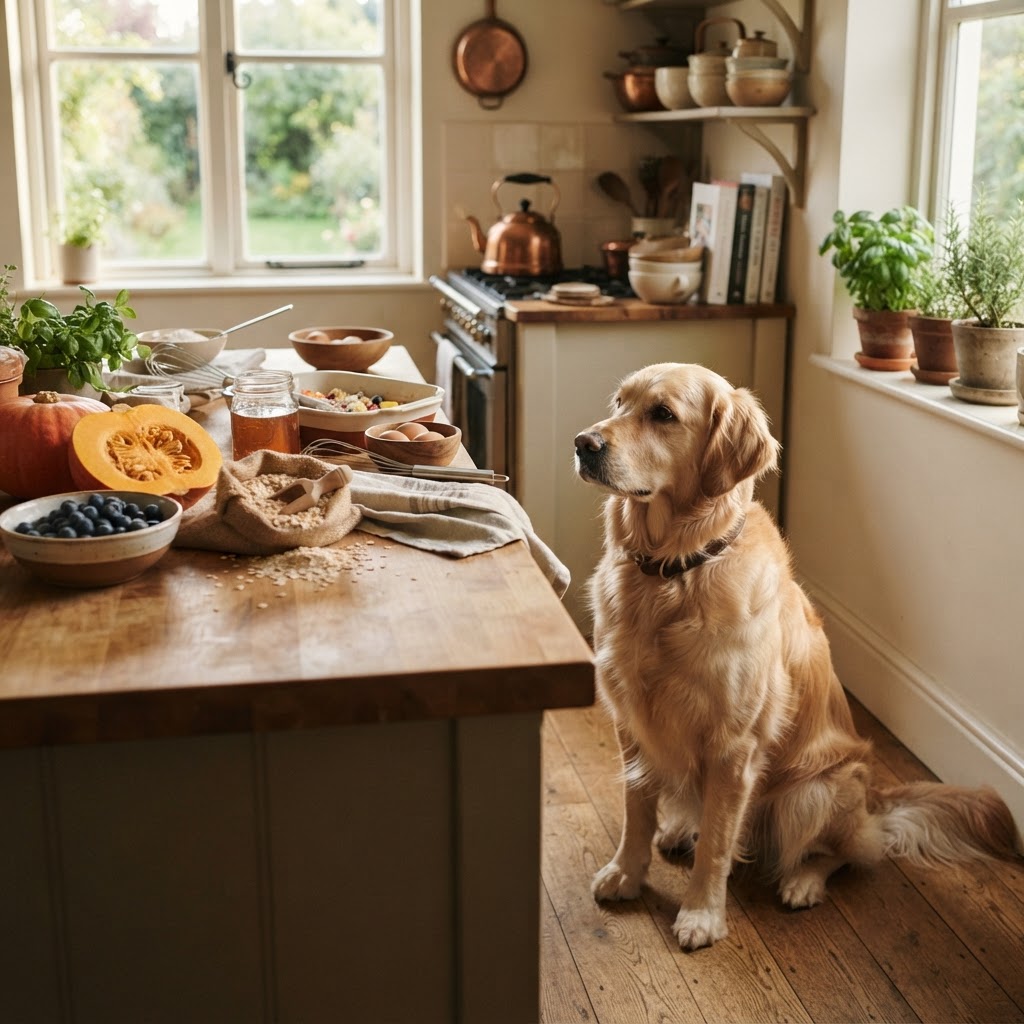
Making treats at home is one of the most direct ways to know exactly what goes into your dog's body — no mystery fillers, no artificial preservatives, just real ingredients you can pronounce. This guide delivers tested, vet-informed healthy homemade dog treat recipes your pup will actually eat, plus the nutritional reasoning behind every ingredient choice.
Key Takeaways
- Homemade dog treats let you control every ingredient, which matters most for dogs with allergies, weight issues, or sensitive stomachs.
- The safest base ingredients include plain pumpkin purée, rolled oats, unsweetened peanut butter (xylitol-free), ripe bananas, and lean proteins like chicken or salmon.
- Xylitol, grapes, raisins, onions, garlic, macadamia nuts, and chocolate are toxic to dogs and must never appear in homemade treats.
- Baked treats stored in an airtight container last 1–2 weeks at room temperature; frozen treats last up to 3 months.
- Always introduce any new treat gradually — start with a piece no larger than your thumbnail to watch for digestive sensitivity.
- A licensed veterinarian or board-certified veterinary nutritionist (DACVN) should review treat recipes if your dog has a diagnosed health condition.
Why Homemade Dog Treats Are Worth the Effort
A homemade dog treat is any snack prepared at home using whole-food ingredients chosen specifically for canine nutritional safety. The commercial pet treat market generated over $6.7 billion in US sales in 2023 (Grand View Research), yet many mass-market products still rely on by-product meals, corn syrup, and synthetic antioxidants like BHA and BHT. Baking your own costs a fraction of that and puts you in complete control.
Dogs process carbohydrates differently than humans — their amylase activity is present but lower — which is why high-glycemic, flour-heavy treats can contribute to weight gain and dental plaque over time. The recipes below prioritize functional ingredients: foods with documented nutritional or health benefits for dogs.
Ingredients That Pull Their Weight
Wholesome ingredients for homemade dog treats are foods that contribute protein, fiber, healthy fat, or micronutrients without introducing excess sugar, sodium, or known canine toxins.
- Plain canned pumpkin (100% puréed, not pie filling): High in soluble fiber; veterinarians commonly recommend 1–4 tablespoons per day to support digestive regularity in dogs.
- Rolled oats: A whole grain providing beta-glucan fiber and B vitamins; preferable to wheat flour for dogs with gluten sensitivity.
- Unsweetened peanut butter: Rich in niacin and healthy monounsaturated fats — but always verify the label reads zero xylitol, an artificial sweetener that causes life-threatening hypoglycemia in dogs.
- Cooked salmon or sardines (packed in water): Deliver EPA and DHA omega-3 fatty acids, which support skin barrier function and reduce systemic inflammation.
- Ripe banana: Adds natural sweetness and potassium without refined sugar; appropriate in moderation due to natural sugar content.
- Plain, full-fat Greek yogurt: A source of live probiotic cultures (Lactobacillus acidophilus) and calcium; choose unsweetened, unflavored varieties only.
Browse our curated marketplace for dog-safe pantry staples sourced from small-batch, vetted makers who prioritize clean labels.
Healthy Homemade Dog Treat Recipes to Try This Week
1. Pumpkin Oat Training Bites
Makes approximately 40 small bites | Prep: 10 min | Bake: 25 min at 350°F
Training treats should be small — ideally pea-sized — so they don't derail a dog's daily caloric budget during a session.
Ingredients:
- 1 cup rolled oats
- ½ cup plain canned pumpkin purée
- 1 egg
- 2 tablespoons xylitol-free peanut butter
Instructions: Pulse oats in a blender until coarsely ground. Mix all ingredients into a stiff dough. Roll to ¼-inch thickness, cut into small shapes, and bake on a parchment-lined sheet for 22–25 minutes until firm and lightly golden. Cool completely before storing.
Nutritional note: One bite contains roughly 15–18 calories, making these appropriate for frequent reward-based training.
2. Frozen Salmon & Yogurt Pops
Makes 12 small pops | Prep: 10 min | Freeze: 4 hours
These are especially effective for teething puppies or senior dogs managing joint inflammation, as the cold temperature provides mild oral relief.
Ingredients:
- ½ cup cooked, flaked salmon (bones removed)
- 1 cup plain unsweetened Greek yogurt
- ¼ cup finely chopped cucumber (skin removed)
Instructions: Mix all ingredients, spoon into a silicone ice cube tray or small molds, and freeze until solid. Serve one pop at a time and supervise your dog while eating.
3. Banana & Oat Soft Chews
Makes 20 soft chews | Prep: 8 min | Bake: 15 min at 325°F
Soft chews are ideal for older dogs, small breeds like Cavalier King Charles Spaniels or Chihuahuas, or any dog recovering from dental work.
Ingredients:
- 1 ripe banana, mashed
- 1 cup rolled oats
- 1 tablespoon coconut oil (unrefined)
Instructions: Combine all ingredients into a soft dough. Drop by teaspoon onto a parchment-lined baking sheet and flatten gently. Bake 13–15 minutes. These will remain softer than baked biscuits — store in the refrigerator for up to one week.
Explore our full dog-friendly recipe library for more vet-reviewed formulations, including grain-free and limited-ingredient options.
Frequently Asked Questions
How many homemade treats can I give my dog per day? Treats — whether homemade or commercial — should account for no more than 10% of a dog's total daily caloric intake, a guideline consistently recommended by veterinary nutritionists. For a 25-pound dog eating roughly 700 calories per day, that's about 70 calories from treats. Weigh or count servings rather than estimating by eye.
Can puppies eat homemade dog treats? Yes, with modifications. Puppies under six months have more sensitive digestive systems and higher protein requirements per pound of body weight than adult dogs. Stick to single-ingredient treats — a small piece of plain boiled chicken or a lick of plain pumpkin — until your veterinarian clears a broader treat rotation.
Are grain-free homemade treats healthier? Not automatically. The FDA investigated a potential link between grain-free diets and dilated cardiomyopathy (DCM) in dogs beginning in 2018, though definitive causation has not been established. Unless your dog has a confirmed grain allergy diagnosed by a veterinarian, whole grains like oats provide valuable fiber and nutrients.
What is xylitol and why is it dangerous for dogs? Xylitol is a sugar alcohol used as a sweetener in many human foods including some peanut butters, yogurts, and baked goods. In dogs, it triggers a rapid release of insulin, causing hypoglycemia (dangerously low blood sugar) within 10–60 minutes of ingestion. Always read labels in full before using any packaged ingredient in a dog treat recipe.
How do I know if my dog is allergic to a treat ingredient? Signs of a food sensitivity or allergic reaction include itching, hives, ear inflammation, vomiting, or loose stool appearing within hours to days of introducing a new food. Introduce one new ingredient at a time and wait 48–72 hours before adding another. A veterinary dermatologist can perform intradermal or serum allergy testing for a definitive diagnosis.
Can I substitute ingredients freely between recipes? Ingredient substitutions should be evaluated individually. Swapping oats for brown rice flour is generally safe; substituting honey for peanut butter changes both the calorie density and texture significantly. When in doubt, consult the Simply Petastic recipe library for tested variations rather than improvising with untested combinations.
Find the Right Support for Your Dog's Nutrition
Homemade treats work best as one piece of a thoughtful, whole-health approach to your dog's care. If your pup has specific dietary needs, a chronic condition like diabetes or pancreatitis, or you simply want professional eyes on their nutrition plan, connecting with a trusted local veterinarian is the smartest next step. Visit our local vet and groomer directory to find vet-reviewed professionals in your neighborhood — and keep coming back to the Simply Petastic recipe collection for fresh, seasonal ideas your dog will look forward to every day.