

Reptile Nutrition Essentials: Maintaining Your Pet’s Long-Term Health
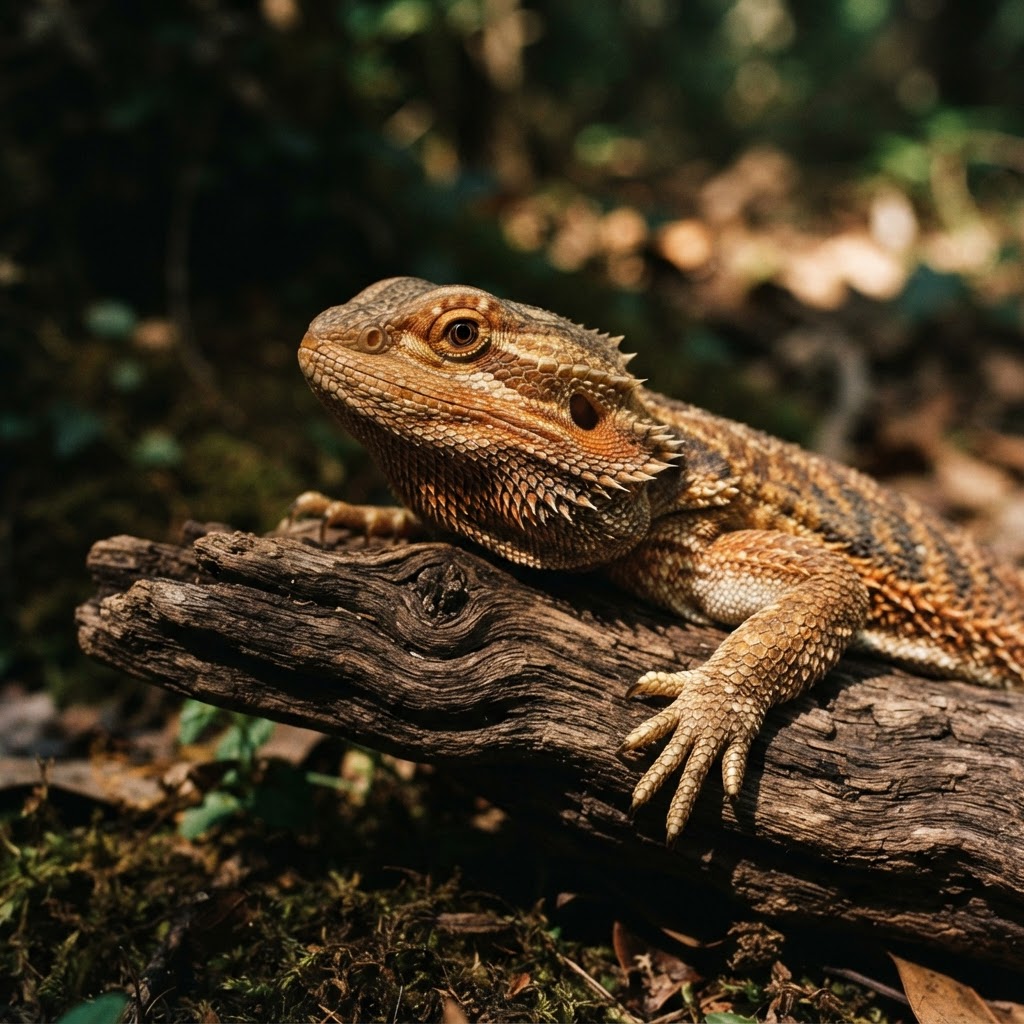
Getting reptile nutrition right is the single most impactful thing you can do for your pet's longevity. Whether you keep a bearded dragon, a ball python, or a blue-tongued skink, the right balance of proteins, vitamins, and minerals determines everything from shedding quality to immune function. This guide breaks down exactly what your reptile needs, why deficiencies are so common, and how to build a feeding routine that actually works.
Key Takeaways
- Reptile nutrition varies significantly by species — a one-size-fits-all approach causes serious health problems
- Calcium-to-phosphorus ratio is one of the most critical dietary factors for all reptiles
- UVB lighting directly affects how reptiles metabolize the nutrients they eat
- Gut-loading feeder insects 24–48 hours before feeding dramatically increases their nutritional value
- Metabolic bone disease (MBD) is almost entirely preventable with proper supplementation
- Herbivorous and omnivorous reptiles need variety — rotating food items prevents nutritional gaps
Why Reptile Nutrition Is More Complex Than Most Owners Realize
Reptiles have highly specialized metabolic systems that evolved for very specific diets, meaning even small nutritional imbalances accumulate into serious health problems over time. Unlike dogs or cats, reptiles don't show obvious signs of deficiency until the problem is already advanced. A bearded dragon that looks healthy today may be developing metabolic bone disease from months of inadequate calcium supplementation. Understanding nutrition from the start is far less expensive — and far less heartbreaking — than treating preventable illness later.
The Calcium-Phosphorus Ratio
The calcium-to-phosphorus ratio in your reptile's diet should ideally sit at 2:1 calcium to phosphorus. Many common feeder foods — including crickets and mealworms — are naturally high in phosphorus, which blocks calcium absorption when consumed in excess. This imbalance is the primary driver of MBD, a degenerative condition that weakens bones, causes tremors, and can be fatal if untreated.
To correct for this, dust feeder insects with a calcium supplement (without vitamin D3 if your reptile gets adequate UVB, with D3 if they don't) at most feedings. Phosphorus-heavy staples like mealworms should be treats, not dietary foundations.
UVB and Vitamin D3: The Missing Link
UVB light exposure is essential for reptiles because it triggers the synthesis of vitamin D3 in the skin, which in turn controls calcium absorption. Without functional UVB — meaning a bulb that's appropriately rated for your species and replaced every 6–12 months — your reptile cannot use the calcium in its food, regardless of how well you supplement. Arcadia and Zoo Med both produce reliable UVB bulbs with published UV Index ratings. Match the bulb rating to your species: a crested gecko needs far less UVB than a uromastyx.
Feeding Protocols by Diet Type
Each reptile species falls into one of three broad dietary categories, and understanding yours is foundational to getting nutrition right.
Carnivores: Snakes and Monitor Lizards
Carnivorous reptiles like ball pythons, corn snakes, and monitor lizards eat whole prey items, which are inherently nutritionally complete. Whole prey — whether frozen-thawed mice, rats, or appropriate-sized chicks — contains muscle, organ meat, bone, and stomach contents that together provide a balanced nutritional profile. Supplementation is generally not required for snakes eating whole prey, but monitor lizards benefit from occasional variety including whole fish, eggs, and organ meat.
Always feed frozen-thawed prey rather than live prey. Live prey can injure your snake, and the nutritional difference is negligible.
Omnivores: Bearded Dragons and Blue-Tongued Skinks
Omnivorous reptiles require the most active nutritional management because they need both animal protein and plant matter in specific proportions. Juvenile bearded dragons should eat roughly 70% insects and 30% leafy greens by volume; adults flip that ratio to approximately 70% greens and 30% insects or protein. Blue-tongued skinks thrive on a rotating diet of gut-loaded insects, lean ground turkey, leafy greens, and occasional fruit.
For leafy greens, prioritize collard greens, mustard greens, dandelion greens, and endive. Spinach, kale, and beet greens contain oxalates or goitrogens that interfere with nutrient absorption and should be offered only occasionally.
Herbivores: Tortoises and Iguanas
Herbivorous reptiles evolved on high-fiber, low-protein diets, and feeding them too much fruit or animal protein causes kidney disease and gout over time. Tortoises in particular thrive on grasses, hay, edible weeds like dandelion and clover, and limited amounts of vegetables. Many tortoise keepers over-rely on romaine lettuce, which is mostly water and provides very little nutritional value. Variety is the cornerstone of herbivore feeding — aim for at least 5–6 different plant species in rotation.
You can find detailed species-specific feeding guides and product recommendations on the Simply Petastic care resources page.
Gut-Loading and Supplementation: Getting the Details Right
Gut-loading feeder insects means feeding them a nutritious diet for 24–48 hours before offering them to your reptile, so that nutrition passes through to your pet. A well-gut-loaded cricket is meaningfully more nutritious than one that's been sitting in a cup of cardboard egg carton. Commercial gut-load products from brands like Repashy and Mazuri are formulated specifically for this. Fresh options include collard greens, sweet potato, squash, and dandelion leaves.
Supplementation schedules matter as much as the supplements themselves. Most keepers follow a schedule like this:
- Calcium without D3: every feeding for UVB-exposed reptiles
- Calcium with D3: 2x per week for reptiles without UVB access
- Multivitamin: 1–2x per week maximum (over-supplementation causes its own problems)
For curated supplement bundles and feeding tools, browse the Simply Petastic marketplace for trusted brand options.
Frequently Asked Questions
Can reptiles eat fruits and vegetables from my kitchen? Many can, but not everything is safe. Avocado, rhubarb, and onion are toxic to reptiles. Even safe produce like spinach should be limited. Research your specific species before introducing new foods, since dietary tolerances vary widely across reptile groups.
How often should I feed my reptile? Feeding frequency depends heavily on species and age. Juvenile reptiles generally eat daily or every other day, while adult snakes may eat every 7–14 days and adult tortoises eat daily but in modest amounts. Overfeeding leads to obesity and organ stress.
Do I need to give my reptile water? Yes — all reptiles need access to fresh water, though how they drink varies. Many lizards prefer drinking from droplets rather than still bowls, so light misting of enclosure walls can encourage hydration. Snakes typically drink from a bowl placed in their enclosure.
What are the first signs of a nutritional deficiency? Early warning signs include lethargy, poor appetite, abnormal shedding, soft or deformed limbs, and muscle tremors. These symptoms overlap with other conditions, so a reptile veterinarian visit is essential for an accurate diagnosis rather than self-treating at home.
Is commercial reptile food a complete diet? Some commercial diets — like Repashy Grubs 'N' Fruit or Mazuri tortoise diet — are formulated to be complete or near-complete, but most work best as part of a varied diet rather than the sole food source. Always check whether a product is labeled as a complete diet or a supplement.
How do I know if my reptile is a healthy weight? Visible spine or hip bones typically indicate underweight; a rounded, bloated midsection suggests overweight. Your reptile vet can assess body condition score and help you calibrate portion sizes and frequency for your specific animal.
Getting reptile nutrition right doesn't require perfection — it requires consistency and a willingness to keep learning as your animal grows and its needs evolve. For species-specific feeding plans, ingredient breakdowns, and community-tested recipes, head over to the Simply Petastic care page or explore the reptile-friendly recipe collection to build a rotation your pet will genuinely thrive on.

