
Healthy Homemade Dog Treat Recipes: Vet-Approved Simple Snacks
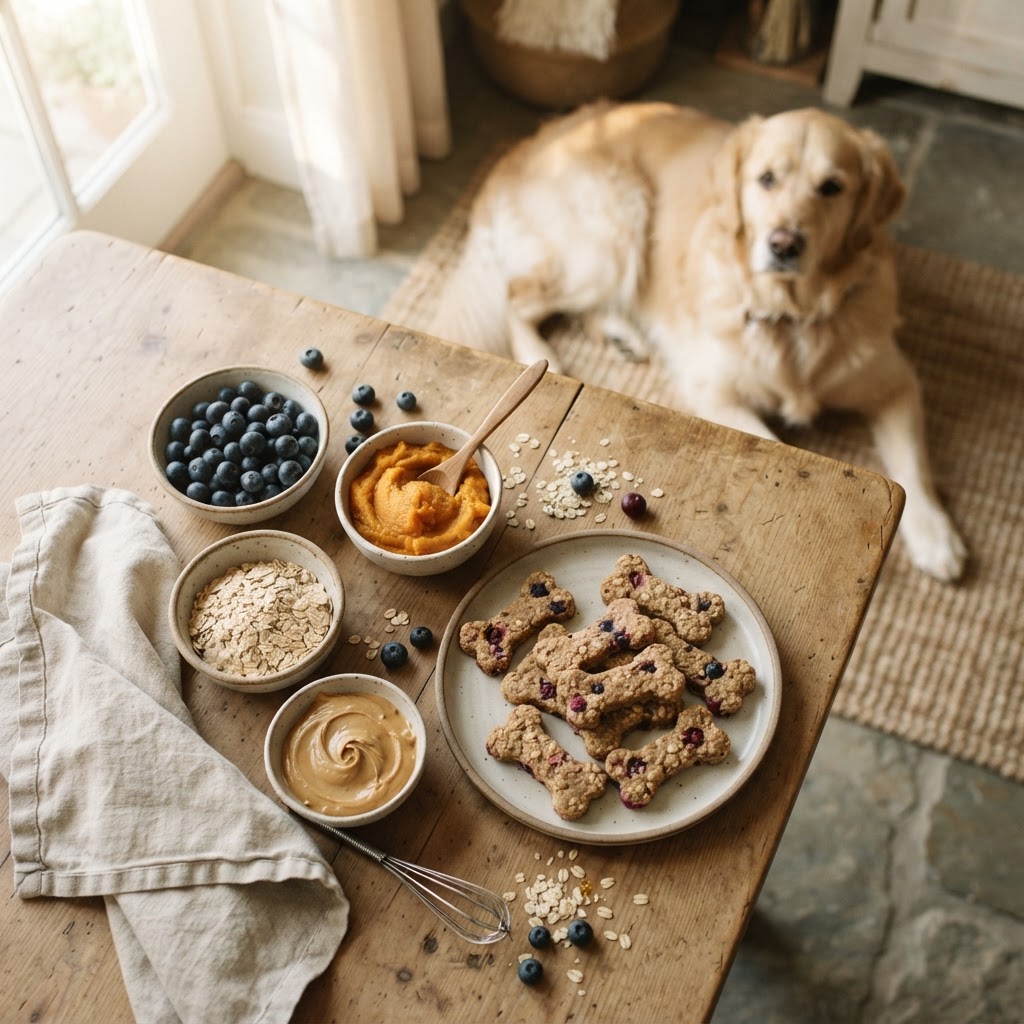
Every ingredient your dog eats is a choice — and homemade treats give you full control over what goes in the bowl. This guide delivers five vet-informed, simple healthy homemade dog treat recipes built from whole-food pantry staples, plus the nutritional reasoning behind each one. No fillers, no mystery proteins, no preservatives.
Key Takeaways
- Homemade dog treats made from whole foods can reduce your dog's exposure to artificial preservatives, dyes, and low-quality fillers common in mass-produced snacks.
- The safest homemade treats use dog-appropriate proteins, complex carbohydrates, and healthy fats in proportions that complement — not replace — a balanced daily diet.
- Toxic ingredients for dogs include xylitol, grapes, raisins, onions, garlic, macadamia nuts, and chocolate; none appear in the recipes below.
- Treat calories should not exceed 10% of a dog's daily caloric intake, a guideline endorsed by most veterinary nutritionists (AAFCO-aligned feeding guidance).
- Always introduce a new treat ingredient gradually and monitor for signs of food sensitivity, including itching, loose stools, or lethargy.
Why Homemade Dog Treats Are Worth Making
A homemade dog treat is any snack made from human-grade, minimally processed ingredients prepared at home rather than commercially manufactured. The appeal is transparency: when you bake a batch of pumpkin-oat biscuits, you know exactly what's in them. A 2022 survey by the American Pet Products Association found that 43% of US dog owners actively seek out limited-ingredient treats — a demand that points directly toward home kitchens and small-batch makers.
That said, "homemade" doesn't automatically mean "healthier." Portion size, ingredient quality, and your individual dog's health history all matter. Run any new recipe past your veterinarian, especially if your dog manages a chronic condition like diabetes, pancreatitis, or food allergies. You can also explore vet-informed treat ideas and balanced meal inspiration in the Simply Petastic recipe library.
Choosing the Right Base Ingredients
Whole-food base ingredients for dog treats fall into three functional categories: protein sources, binding carbohydrates, and flavor-enhancing functional foods. Each serves a purpose beyond taste.
Proteins
Lean animal proteins — including cooked chicken breast, canned wild-caught salmon (packed in water, no added salt), and plain cooked turkey — are the most bioavailable protein sources for dogs. Protein supports muscle maintenance, immune function, and coat health. For dogs with known chicken sensitivities, novel proteins like duck or venison are reliable swaps.
Binding Carbohydrates
Rolled oats, oat flour, and whole-wheat flour act as structural binders in baked treats. Oat flour is particularly useful because it contains beta-glucan, a soluble fiber shown in veterinary nutrition research to support healthy gut motility in dogs. For grain-sensitive dogs, coconut flour or chickpea flour (in small quantities) are acceptable alternatives.
Functional Flavor Boosters
Plain pumpkin purée (not pumpkin pie filling), unsweetened applesauce, unsalted natural peanut butter (verify it contains no xylitol), and plain Greek yogurt each add palatability while contributing real nutritional value — fiber, vitamin A, or probiotic cultures, respectively.
5 Healthy Homemade Dog Treat Recipes
These recipes are designed for adult dogs of average size (25–65 lbs). Adjust batch size and individual treat dimensions for toy breeds or giant breeds accordingly.
1. Two-Ingredient Pumpkin Oat Biscuits
- Ingredients: 1 cup oat flour, ½ cup plain canned pumpkin purée
- Instructions: Preheat oven to 350°F. Mix ingredients into a firm dough, roll to ¼-inch thickness, cut into shapes, bake 25–30 minutes until dry and crisp. Cool fully before storing.
- Nutritional highlight: Pumpkin is roughly 90% water and a concentrated source of beta-carotene, which converts to vitamin A to support eye and immune health.
2. Salmon and Sweet Potato Bites
- Ingredients: 1 can (5 oz) wild-caught salmon in water (drained), ½ cup mashed cooked sweet potato, 1 cup oat flour, 1 egg
- Instructions: Combine all ingredients, roll into small balls, flatten slightly, bake at 350°F for 20 minutes. Refrigerate and use within 5 days.
- Nutritional highlight: Salmon provides EPA and DHA omega-3 fatty acids, which veterinary dermatologists commonly recommend for dogs with dry, itchy skin or a dull coat.
3. Peanut Butter and Banana Freezer Treats
- Ingredients: 2 ripe bananas, ½ cup xylitol-free peanut butter, ½ cup plain Greek yogurt
- Instructions: Blend all three ingredients until smooth, pour into silicone molds or an ice cube tray, freeze 4+ hours.
- Nutritional highlight: Plain Greek yogurt contains live Lactobacillus cultures that may support canine gut microbiome diversity, according to emerging small-animal probiotic research.
4. Chicken and Parsley Training Treats
- Ingredients: 1 cup cooked shredded chicken breast, 1 cup whole-wheat flour, 1 egg, 2 tbsp fresh flat-leaf parsley (finely chopped)
- Instructions: Pulse chicken in a food processor, mix with remaining ingredients, roll thin, cut into pea-sized pieces for training. Bake at 375°F for 15 minutes.
- Nutritional highlight: Fresh parsley (flat-leaf, not spring parsley) is a natural source of chlorophyll and has been used in small quantities by holistic veterinarians as a mild breath freshener.
5. Apple and Cinnamon Chews
- Ingredients: 1 cup unsweetened applesauce, 1½ cups oat flour, ¼ tsp ground cinnamon
- Instructions: Mix into a stiff dough, roll to ⅛-inch thickness, cut into thin strips, bake at 325°F for 30–35 minutes until chewy-dry. Store in an airtight container up to 2 weeks.
- Nutritional highlight: Cinnamon (Ceylon variety preferred) contains no xylitol and is non-toxic to dogs in small culinary amounts; it adds flavor without added sugar.
Storage and Food Safety Guidelines
Safe storage of homemade dog treats depends on moisture content: baked, dry treats last up to 2 weeks at room temperature in an airtight container; soft or refrigerated treats should be used within 5–7 days; frozen treats keep well for up to 3 months. Always label batches with the bake date.
Frequently Asked Questions
What makes a dog treat "vet-approved"? A vet-approved dog treat uses ingredients recognized as safe and nutritionally appropriate by veterinary nutritionists, avoids known toxins, and fits within a dog's overall caloric and dietary needs. Recipes developed or reviewed by a licensed veterinarian or board-certified veterinary nutritionist (DACVN) carry the most authority.
Can puppies eat these homemade treat recipes? Most of these recipes are suitable for puppies over 12 weeks in very small portions, but puppy nutritional requirements differ significantly from adult dogs — they need higher protein and specific calcium-to-phosphorus ratios. Consult your veterinarian before introducing any homemade treat to a puppy under six months.
How many homemade treats can I give my dog per day? Treats, including homemade ones, should account for no more than 10% of your dog's total daily caloric intake. For a 30-lb dog eating approximately 900 calories per day, that means no more than 90 treat calories — roughly 3–5 small biscuits depending on density.
Are grain-free homemade dog treats healthier? Grain-free does not automatically mean healthier for dogs. The FDA investigated a potential link between grain-free diets high in legumes and dilated cardiomyopathy (DCM) in dogs, beginning in 2018. Oat-based and whole-wheat recipes remain well-regarded by most veterinary nutritionists as safe, digestible carbohydrate sources.
Can I use honey in homemade dog treats? Raw or pasteurized honey is non-toxic to adult dogs in very small amounts (under ½ teaspoon per treat), but it is high in simple sugars and should be avoided for diabetic dogs or dogs with obesity. It is never appropriate for puppies due to the risk of Clostridium botulinum spores.
Where can I find locally sourced ingredients or small-batch treat makers? The Simply Petastic marketplace connects you with local, small-batch pet-food and treat makers who prioritize whole, traceable ingredients — a great complement to your own home baking.
Your Next Step
You've got the recipes — now build the full picture of your dog's wellness. Browse the complete Simply Petastic recipe collection for more vet-informed meal and snack ideas, or use our local vet and groomer directory to find a trusted professional in your area who can help you tailor treats to your dog's specific breed, age, and health profile. Good food and good care belong together.