

Mastering Aquarium Water Quality for Healthy Fish
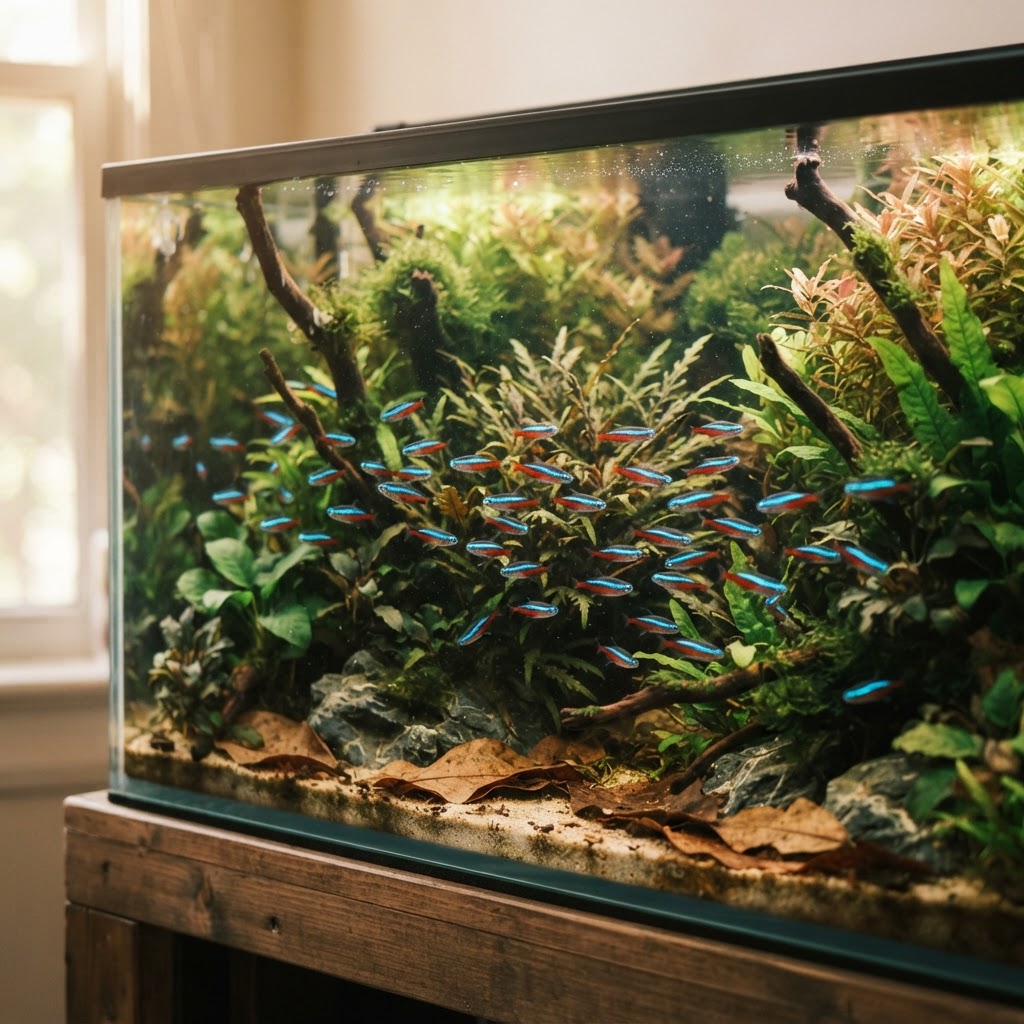
Whether you're setting up your first tank or troubleshooting a mystery illness, aquarium water quality is the single most powerful factor controlling your fish's health and lifespan. Get it right and your fish will thrive, display their best colors, and live years beyond what poor water conditions would allow. This guide covers everything you need to know to test, adjust, and maintain water that your fish will love.
Key takeaways
- The nitrogen cycle is the foundation of a healthy aquarium — understanding it saves fish lives.
- Six core parameters matter most: ammonia, nitrite, nitrate, pH, temperature, and hardness.
- Test your water at least once a week, more often in new or stressed tanks.
- Partial water changes — typically 25–30% weekly — are the single most effective maintenance habit.
- Tap water contains chlorine and chloramines that must be neutralized before any water enters your tank.
- Different fish species have very specific water chemistry needs that must be matched for long-term success.
Why Water Quality Determines Fish Health
Clean, chemically balanced water is not optional for fish — it is the equivalent of the air you breathe. Fish absorb water directly through their skin and gills, which means every imbalance in your tank affects them at a cellular level. A fish stressed by poor water becomes vulnerable to bacterial infections, parasites, and organ failure in ways that are rarely reversible once symptoms appear.
The good news is that maintaining excellent aquarium water quality is a learnable skill, not a mystery. Once you understand what you're measuring and why, the process becomes routine.
The Nitrogen Cycle Explained
The nitrogen cycle is the biological process that converts harmful fish waste into less dangerous compounds through beneficial bacteria. Every new aquarium must complete this cycle before fish are added — skipping this step is the number-one cause of new-tank syndrome and unexplained fish deaths.
Here's how it works:
- Fish waste and uneaten food break down into ammonia, which is toxic even at very low concentrations.
- A colony of Nitrosomonas bacteria establishes in your filter media and converts ammonia into nitrite — still harmful, but less immediately lethal.
- A second bacterial colony (Nitrospira) converts nitrite into nitrate, which is far less dangerous at moderate levels.
- Nitrate is removed through water changes or by live plants that use it as fertilizer.
A tank is considered "cycled" when ammonia and nitrite both read zero on a test kit. This process typically takes four to six weeks in a new aquarium.
The Six Parameters You Must Monitor
Ammonia and Nitrite
Ammonia and nitrite should always read 0 ppm in an established, cycled aquarium — any detectable level is a problem requiring immediate action. If either spikes, perform an emergency 25–30% water change right away and retest. Common causes include overfeeding, a dead fish left undiscovered, or a crash in your beneficial bacteria population (often caused by cleaning filter media with tap water).
Nitrate
Nitrate is safe for most freshwater fish at levels under 20–40 ppm and for saltwater and sensitive species under 10 ppm. Regular water changes are your primary tool for keeping nitrate in check. If nitrate climbs rapidly between changes, examine your feeding schedule and stocking density.
pH
pH measures how acidic or alkaline your water is on a scale of 0–14, with 7 being neutral. Most common freshwater community fish do well between 6.8 and 7.6. African cichlids prefer 7.8–8.5, while soft-water species like discus and cardinal tetras favor 6.0–7.0. Saltwater aquariums require a stable 8.1–8.3. Sudden pH swings are often more damaging than a pH that's slightly off target.
Temperature
Each species has a preferred temperature range, and maintaining it consistently prevents immune suppression. Tropical freshwater fish generally do best between 74°F and 82°F. Goldfish and koi prefer cooler water, typically 65°F–72°F. Use a reliable thermometer and check it daily — heater malfunctions are common.
Water Hardness
Hardness (measured as GH and KH) refers to the concentration of dissolved minerals, primarily calcium and magnesium. KH (carbonate hardness) acts as a pH buffer and prevents dangerous pH swings. Matching hardness to your fish's natural habitat improves health and breeding success significantly.
Practical Testing and Maintenance
Choosing a Test Kit
Liquid test kits consistently outperform strip tests in accuracy — the API Freshwater Master Test Kit is a widely recommended starting point for beginners and intermediate hobbyists alike. Test your aquarium water at minimum once a week, and always test before and 24 hours after any significant change.
The Water Change Routine
A consistent partial water change schedule is the backbone of long-term aquarium water quality management. Aim for 25–30% every seven days using a gravel vacuum to pull debris from the substrate. Always treat replacement tap water with a dechlorinator like sodium thiosulfate or a commercial conditioner that neutralizes chloramines before adding it to the tank.
Filter Maintenance
Rinse filter media in old tank water — never tap water — to preserve your bacterial colonies. Replace only one type of media at a time so you don't accidentally destroy your biological filtration all at once.
For more detailed guidance on setting up a healthy environment for your aquatic pets, visit the Simply Petastic fish care resource center where you'll find step-by-step advice on cycling, stocking, and equipment.
Common Mistakes That Wreck Water Quality
- Overfeeding — uneaten food decays rapidly and spikes ammonia within hours.
- Overstocking — too many fish for the tank volume overwhelms biological filtration.
- Cleaning the filter with tap water — kills beneficial bacteria instantly.
- Skipping water changes — nitrate accumulation is slow but relentless.
- Ignoring temperature fluctuations — stress from temperature inconsistency suppresses immunity.
Frequently Asked Questions
How often should I test my aquarium water? In an established tank, testing once a week is sufficient under normal conditions. During the initial cycling period, after adding new fish, or when fish appear stressed, test every one to two days to catch problems before they become emergencies.
My fish are acting strange but my water looks clear — can it still be a problem? Absolutely. Water can be chemically dangerous while appearing perfectly clear. Ammonia and nitrite are both colorless and odorless in low concentrations. Always confirm water quality with a test kit rather than relying on appearance.
What's the fastest way to fix an ammonia spike? Perform an immediate partial water change of 25–30% using dechlorinated water, stop feeding for 24–48 hours, and retest. If ammonia is still above 0.5 ppm after the change, repeat the process until levels drop to zero.
Do live plants really help water quality? Yes, meaningfully so. Live plants absorb ammonia, nitrite, and nitrate directly as nutrients, which reduces the biological load on your filter. Fast-growing species like hornwort, water sprite, and anacharis are especially effective at pulling nutrients from the water column.
How is pond water quality different from a home aquarium? Ponds are subject to greater temperature swings, rain dilution, and runoff contamination than indoor tanks. Seasonal changes in pond water chemistry — especially pH fluctuations from algae growth — require monitoring from spring through fall. The same core parameters apply, but testing frequency and intervention methods differ.
Can I use bottled water instead of tap water in my tank? You can, but it's rarely necessary and can get expensive for larger tanks. Most tap water, once treated with a quality conditioner, is perfectly suitable. If your tap water is particularly hard or soft, a reverse osmosis unit gives you consistent, adjustable water chemistry at a much lower cost than bottled water over time.
Keeping your aquarium water in top shape doesn't take hours of work each week — it just takes consistency and the right knowledge. Head over to the Simply Petastic care library to explore more fish-keeping guides, or browse our aquatic product marketplace to find the test kits, conditioners, and filtration gear that make the job easier. Your fish will thank you for it.