

Best Food for Dogs With Sensitive Stomach: A Gentle Guide
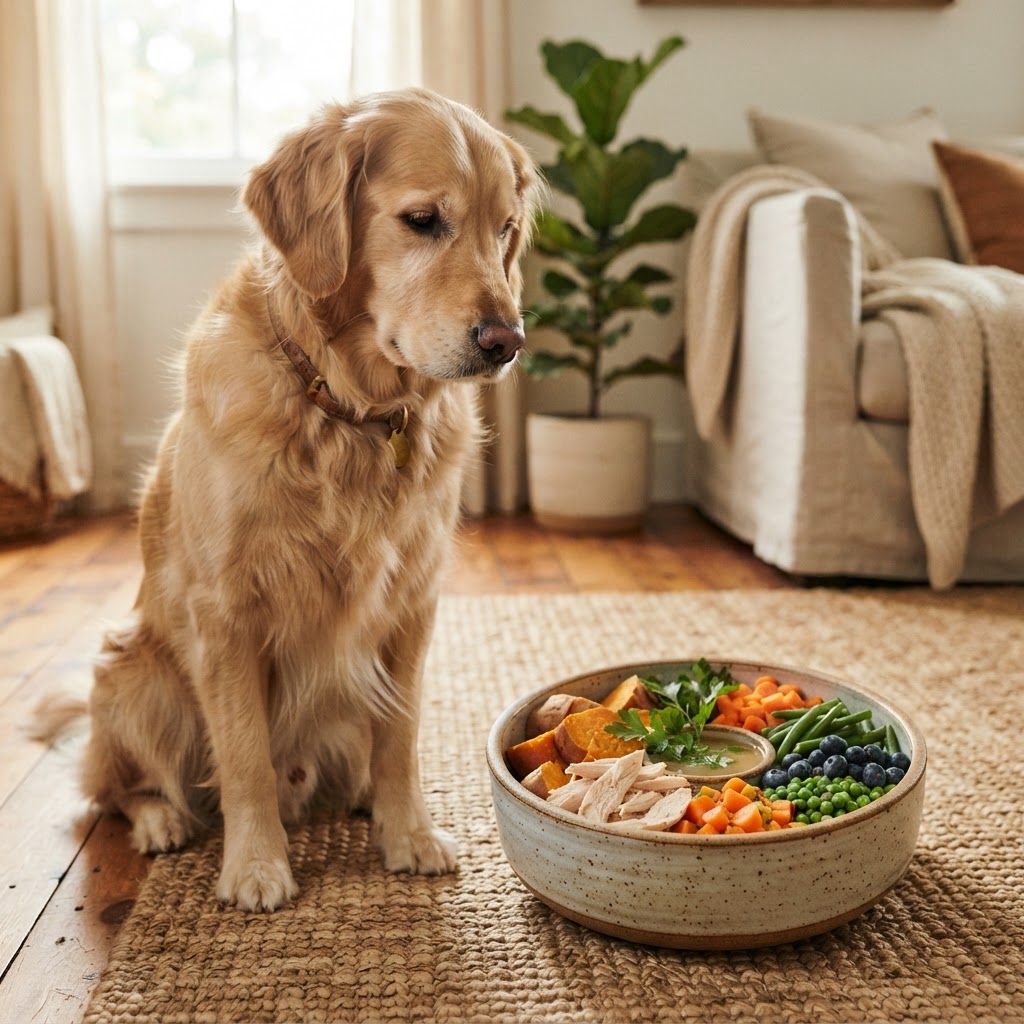
If your dog regularly vomits after meals, produces loose stools, or seems gassy and uncomfortable, you are not alone — and the fix is often simpler than you think. This guide explains exactly what makes a food gentle on a sensitive digestive system, which ingredients to seek and which to avoid, and how to build a feeding routine that keeps your dog feeling genuinely well.
Key Takeaways
- Canine sensitive stomach (also called dietary intolerance or food sensitivity) is different from a true food allergy; it typically involves difficulty digesting certain proteins, fats, or additives rather than an immune response.
- The most evidence-supported diets for sensitive dogs are limited-ingredient diets (LIDs), hydrolyzed protein formulas, and single-novel-protein foods.
- Common dietary triggers include rendered chicken by-product meal, artificial preservatives (BHA, BHT, ethoxyquin), corn syrup, and high-fat table scraps.
- Transition time matters: switching foods over 7–10 days dramatically reduces digestive upset compared to abrupt changes.
- Breeds statistically more prone to GI sensitivity include German Shepherds, Great Danes, Irish Setters, and Yorkshire Terriers.
- A vet-informed homemade diet can complement commercial food — explore our healthy pet recipes for vet-reviewed options.
What "Sensitive Stomach" Actually Means in Dogs
A sensitive stomach in dogs describes a gastrointestinal system that reacts adversely — through vomiting, diarrhea, flatulence, or gut-gurgling (borborygmi) — to ingredients that a healthier digestive tract would process without issue. It is not a diagnosis itself but a clinical description; your veterinarian may use terms like dietary intolerance, inflammatory bowel tendency, or exocrine pancreatic insufficiency (EPI) depending on the underlying cause. Before adjusting your dog's food, ruling out parasites, infections, and organ disease with a vet visit is an essential first step.
The Best Food Ingredients for Dogs With Sensitive Stomachs
Easily Digestible Proteins
Lean, single-source proteins are the cornerstone of the best food for dogs with sensitive stomachs. Boiled chicken breast, turkey, and white fish (such as cod or tilapia) have high biological availability and low residual fat, making them far gentler than red-meat blends. For dogs who have already reacted to common proteins, novel proteins — defined as proteins the dog has never been exposed to — such as venison, rabbit, duck, or kangaroo can reset the digestive baseline. Hydrolyzed protein formulas, in which protein molecules are broken into fragments too small to trigger a response, are the gold standard prescribed by veterinary internists for the most reactive dogs.
Fermentable Fiber Sources
Soluble dietary fiber feeds beneficial gut bacteria (the microbiome) and supports consistent stool formation. Pumpkin, sweet potato, chicory root (a natural source of inulin), and cooked oatmeal are well-tolerated sources supported by veterinary nutritional research. Aim for a food where a named fiber source appears in the first six ingredients on the label.
Easily Digestible Carbohydrates
White rice and cooked plain potato digest more readily than corn, wheat, or soy, all of which are frequently implicated in canine dietary intolerance. If your dog is grain-sensitive (not the same as grain-free, which carries its own cardiac risk discussion), look for foods using rice, millet, or tapioca as the primary carbohydrate.
Ingredients to Avoid
A sensitive stomach dog food should be free of the following:
- Rendered by-product meals with no named species (e.g., "poultry meal" vs. "deboned turkey")
- Artificial preservatives: BHA, BHT, and ethoxyquin are associated with GI irritation in sensitive individuals
- Artificial colors and flavors: Red 40, Yellow 5, and "natural flavor" catch-all listings
- High-fat content: Foods exceeding 15–18% fat on a dry matter basis can trigger pancreatitis in predisposed dogs, particularly Miniature Schnauzers and Cocker Spaniels
- Lactose: Most adult dogs lack sufficient lactase enzyme to digest dairy comfortably
How to Transition Foods Without Triggering an Episode
A food transition for sensitive-stomach dogs follows a structured ratio schedule over a minimum of 7 days: Days 1–2 use 25% new food / 75% old food; Days 3–4 use 50/50; Days 5–6 use 75% new / 25% old; Day 7 onward is 100% new food. For dogs with severe sensitivity, extending this to a 10–14 day transition is often recommended by veterinary gastroenterologists. Adding a veterinarian-approved probiotic (look for strains Lactobacillus acidophilus or Bifidobacterium animalis) during the transition can further stabilize the gut flora.
Homemade vs. Commercial Food for Sensitive Dogs
Homemade food gives you complete ingredient transparency, which is genuinely valuable for dogs with complex sensitivities. The critical requirement is nutritional completeness: home-cooked meals that are not formulated to meet AAFCO (Association of American Feed Control Officials) nutrient profiles can cause deficiencies in calcium, zinc, and B vitamins within weeks. A board-certified veterinary nutritionist (DACVN) can build a complete recipe tailored to your dog's weight, age, and health status. Our vet-informed recipe library includes simple, nutritionally balanced meal ideas reviewed with professional guidance — a solid starting point before your vet consultation.
Frequently Asked Questions
What is the single best food for a dog with a sensitive stomach?
There is no universal single best food, because the trigger ingredient varies by dog. A limited-ingredient diet built around one novel protein and one easily digestible carbohydrate — such as venison and sweet potato — is the most commonly recommended starting framework by veterinary nutritionists. Work with your vet to identify the specific culprit through an elimination diet trial lasting 8–12 weeks.
Is grain-free food better for sensitive-stomach dogs?
Not automatically. Grain sensitivity is relatively uncommon; true cereal grain intolerance is less prevalent than sensitivity to protein sources. Additionally, the FDA has investigated a potential link between grain-free legume-heavy diets and dilated cardiomyopathy (DCM) in dogs. Consult your veterinarian before choosing grain-free specifically for GI reasons.
How long does it take for a new diet to improve GI symptoms?
Most dogs show measurable improvement in stool consistency within 2–4 weeks on an appropriate elimination diet. Full resolution of inflammatory symptoms can take up to 8–12 weeks, which is why veterinary nutritionists stress patience during the trial period.
Can I feed my sensitive-stomach dog treats?
Yes, but treats should use the same limited protein source as the base diet during any elimination trial. Single-ingredient freeze-dried treats — freeze-dried rabbit, venison, or salmon — are the cleanest option. Avoid rawhide, highly processed biscuits, and anything with "natural flavor" listed, as that term can mask undisclosed protein sources.
Should I add probiotics or digestive enzymes?
Probiotic supplementation with clinically studied strains (Lactobacillus acidophilus, Enterococcus faecium strain SF68) has peer-reviewed support for reducing GI upset duration in dogs. Digestive enzymes are specifically indicated when a vet diagnoses exocrine pancreatic insufficiency (EPI) — they are not a universal supplement. Always confirm with your vet before adding either.
When should I see a vet rather than changing food myself?
Seek veterinary care promptly if your dog has vomited more than twice in 24 hours, has blood in stool or vomit, is losing weight, appears lethargic, or has had persistent loose stool for more than five days. These signs can indicate conditions — including parvovirus, intussusception, or pancreatitis — that require medical treatment, not a diet swap.
Find the Right Support for Your Dog's Gut Health
A sensitive stomach is manageable with the right information and the right team. Browse our vet-informed recipe library to find balanced, gentle meal ideas built with real ingredients, or visit our pet care network to connect with veterinary nutritionists and integrative practitioners in your area who specialize in canine digestive health. Your dog deserves food that works with their body — and finding it starts right here.

